


4 days Florence Itinerary – Tuscany, Italy
Rolling hills, historic cities, and delicious food and wine – Tuscany in central Italy will make you feel heady and leave you wanting more. Here’s a 4 day Florence itinerary to help you make the most of your visit:
Nearest Airport – Amerigo Vespucci Airport. The second closest airport is the Pisa Airport, Galileo Galilei. However, sometimes it is easier to fly to Rome, then take a fast train to Florence, with the journey having some incredible views and it being only a one stop on a Rome to Florence fast train.
4 Day Florence Itinerary Highlights
Click on the links below if you are looking at specific information or read the blog for the full day-by-day itinerary
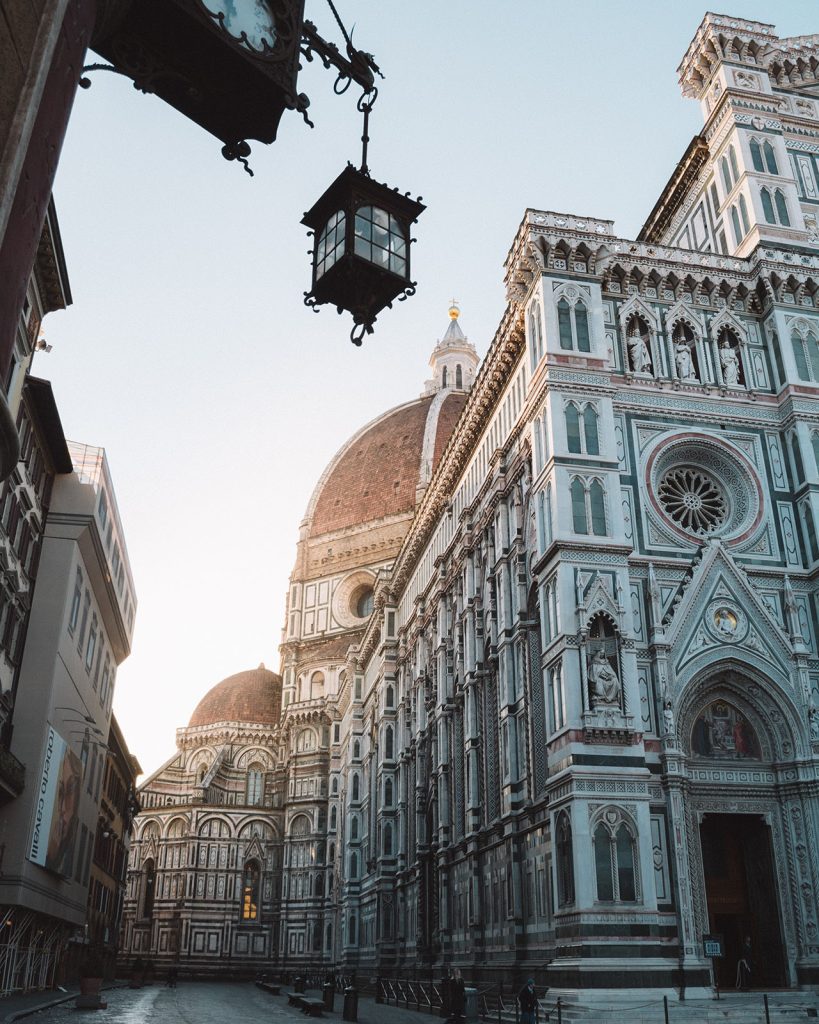
Day 1 of your Florence Itinerary – Spend the day in Florence
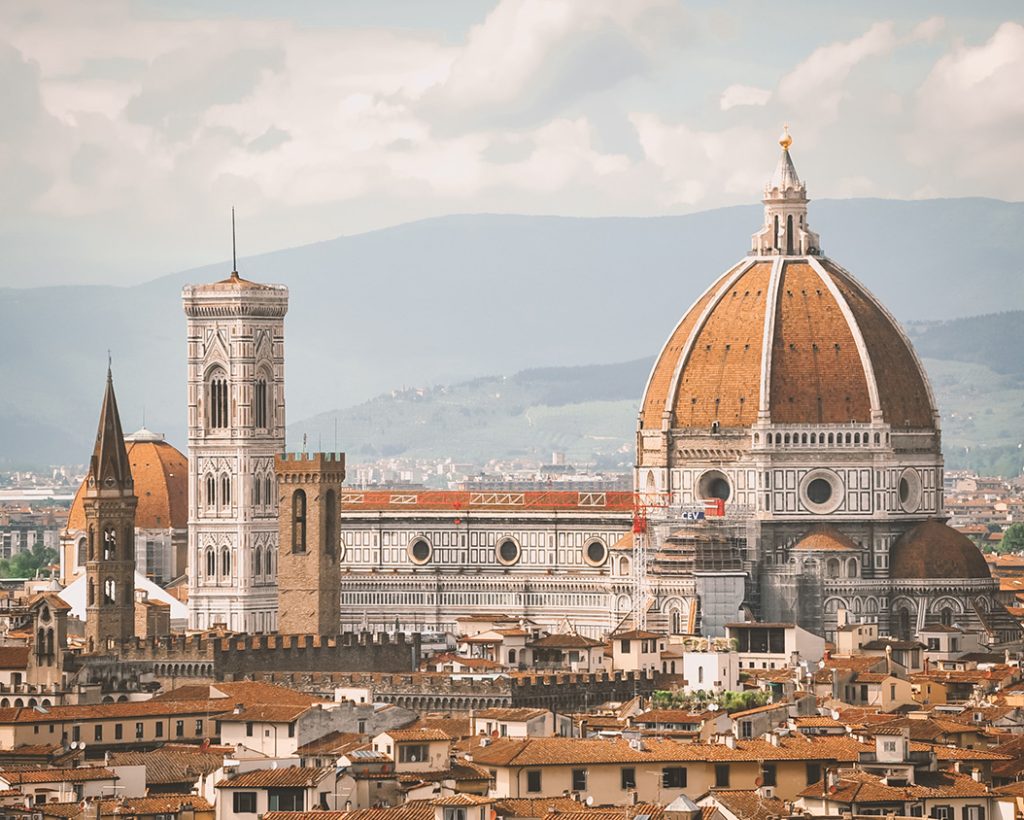
Spend your first day in the beautiful city of Florence, which is the capital of Tuscany. Explore the historic city center, which is a UNESCO World Heritage Site. Visit the iconic Duomo and climb the bell tower for stunning views of the city. Access to the main cathedral is generally free. You can enter and explore the interior of the Duomo without purchasing a ticket.
Dome Climb: If you wish to climb the dome and enjoy the breathtaking views of Florence from the top, you’ll need a ticket. There are different ticket options available:
- Stairs: You can climb the dome on foot, which offers a unique perspective of the interior structure. This option is generally more affordable.
- Elevator + Stairs: An elevator takes you part of the way up, reducing the number of stairs you need to climb.
- Time-Slot Reservation: To manage the flow of visitors, it’s often required to reserve a specific time slot for your dome climb. This can be done online or at the ticket counter.
The Florence Baptistery, dedicated to St. John the Baptist, is located right in front of the Duomo. It is one of the oldest buildings in Florence and features remarkable bronze doors, including the famous “Gates of Paradise” by Lorenzo Ghiberti.
There are often combined tickets available that grant access to the Duomo, Dome, Baptistery, and Campanile (Giotto’s Bell Tower) at a discounted price. This option is ideal if you want to explore multiple attractions in the Piazza del Duomo complex.
After visiting the Duomo, roam along the Ponte Vecchio. During World War II, the Ponte Vecchio was the only bridge in Florence not to be destroyed by German troops as they retreated from the city. Legend has it that the intervention of a German officer who recognized the cultural significance of the bridge and ordered it to be spared, saved it from destruction.
One of the most distinctive features of the Ponte Vecchio is the row of shops that line both sides of the bridge. Originally, the shops were occupied by butchers, but in the 16th century, they were replaced by goldsmiths and jewelers, which continue to thrive to this day. The bridge is known for its high-end jewelry stores and boutiques.
The Ponte Vecchio is also famous for the Vasari Corridor, a secret passageway that connects the Palazzo Vecchio (Florence’s town hall) with the Palazzo Pitti (the Medici family’s residence). This corridor allowed the Medici rulers to move between the buildings without mingling with the common people. The Vasari Corridor runs above the shops on the bridge and offers a unique view of the city.
Visit the Uffizi Gallery – This world-renowned art museum contains a vast collection of Italian Renaissance masterpieces, including works by Botticelli, Michelangelo, and Leonardo da Vinci. Some of the most famous masterpieces on display include “The Birth of Venus” and “Primavera” by Sandro Botticelli, “The Annunciation” by Leonardo da Vinci, “Venus of Urbino” by Titian, and “Bacchus” by Caravaggio.
The museum is housed in the Uffizi Palace, a grand Renaissance building commissioned by Cosimo Medici in 1560. The Uffizi Gallery is a highly popular tourist attraction, and it can get crowded, especially during peak tourist seasons. Consider booking your tickets in advance or opting for skip-the-line tickets to avoid waiting in long queues. The Uffizi Gallery has a rooftop terrace that offers fantastic views of Florence, including the Palazzo Vecchio, the Duomo, and the Arno River.
The vastness of the collection means that visiting the entire Uffizi Gallery can take several hours. Plan accordingly and prioritize the works of art you wish to see the most. Photography is allowed in most areas of the Uffizi Gallery, but the use of flash and tripods is not permitted.
In the evening, head up to Piazzale Michelangelo, which is a scenic viewpoint that offers breathtaking views of Florence. It’s the perfect spot to watch the sunset and take in the city’s beauty. Piazzale Michelangelo provides a stunning panoramic view of Florence’s historic center, including the iconic Duomo, the Campanile (Giotto’s Bell Tower), the Ponte Vecchio, and the Arno River. It’s an ideal spot to capture postcard-worthy photographs of the cityscape.
In the center of the square stands a bronze replica of Michelangelo’s famous statue of David. The original statue is housed in the Accademia Gallery in Florence. You can reach Piazzale Michelangelo on foot by taking a pleasant uphill stroll from the city center. Alternatively, there are regular buses that can take you directly to the square. Along the edges of the square, you’ll find stalls selling souvenirs, crafts, and artwork. It’s a great place to pick up some mementos of your visit to Florence. There are cafés and restaurants at Piazzale Michelangelo where you can relax, enjoy a coffee or a meal, and soak in the magnificent views.
Day 2: San Gimignano, Siena, Pisa and Lucca
San Gimignano: Start your day in San Gimignano, a picturesque hilltop town with stunning views of the surrounding countryside. Visit the Torre Grossa, the Collegiata, and the Palazzo del Popolo. San Gimignano is often referred to as the “Town of Fine Towers.” During its medieval heyday, there were around 72 tower houses built by wealthy families as a display of their power and prosperity. Today, 14 of these towers still stand, creating a unique and enchanting skyline.
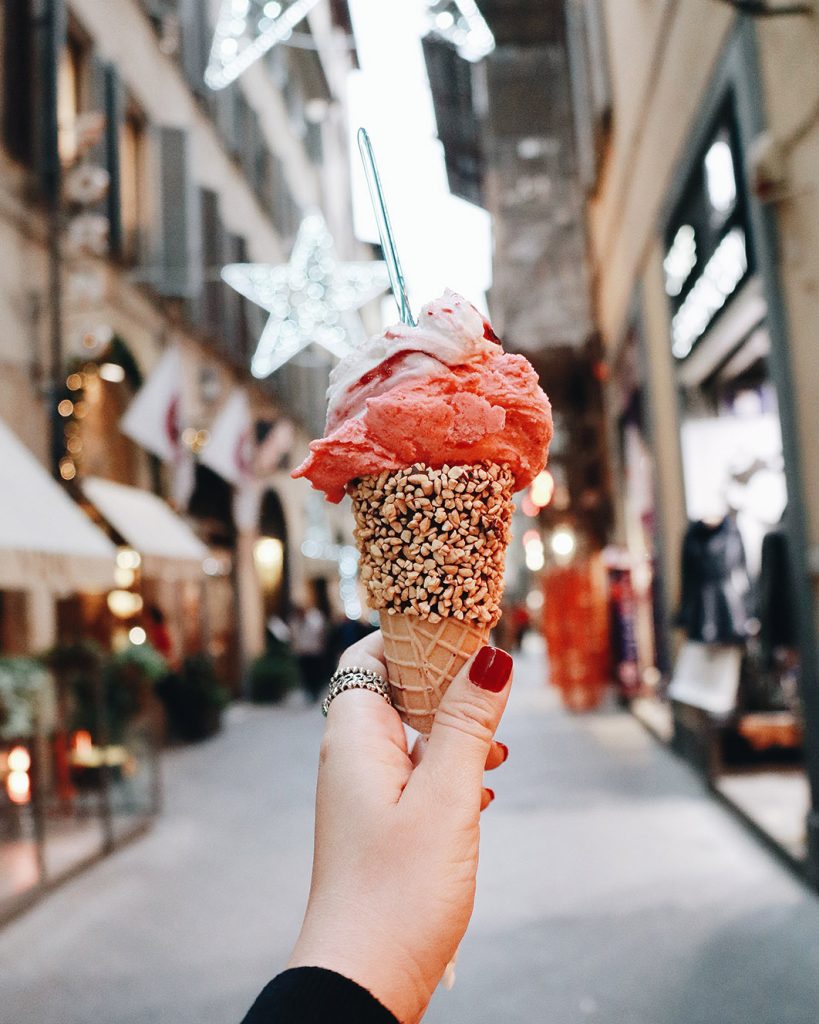
The town’s historic center is remarkably well-preserved and offers a glimpse into medieval life. Stroll through narrow cobblestone streets, visit charming squares, and admire the medieval architecture. San Gimignano is known for its delicious gelato. Be sure to try some of the gelaterias and savor the authentic Italian flavors.
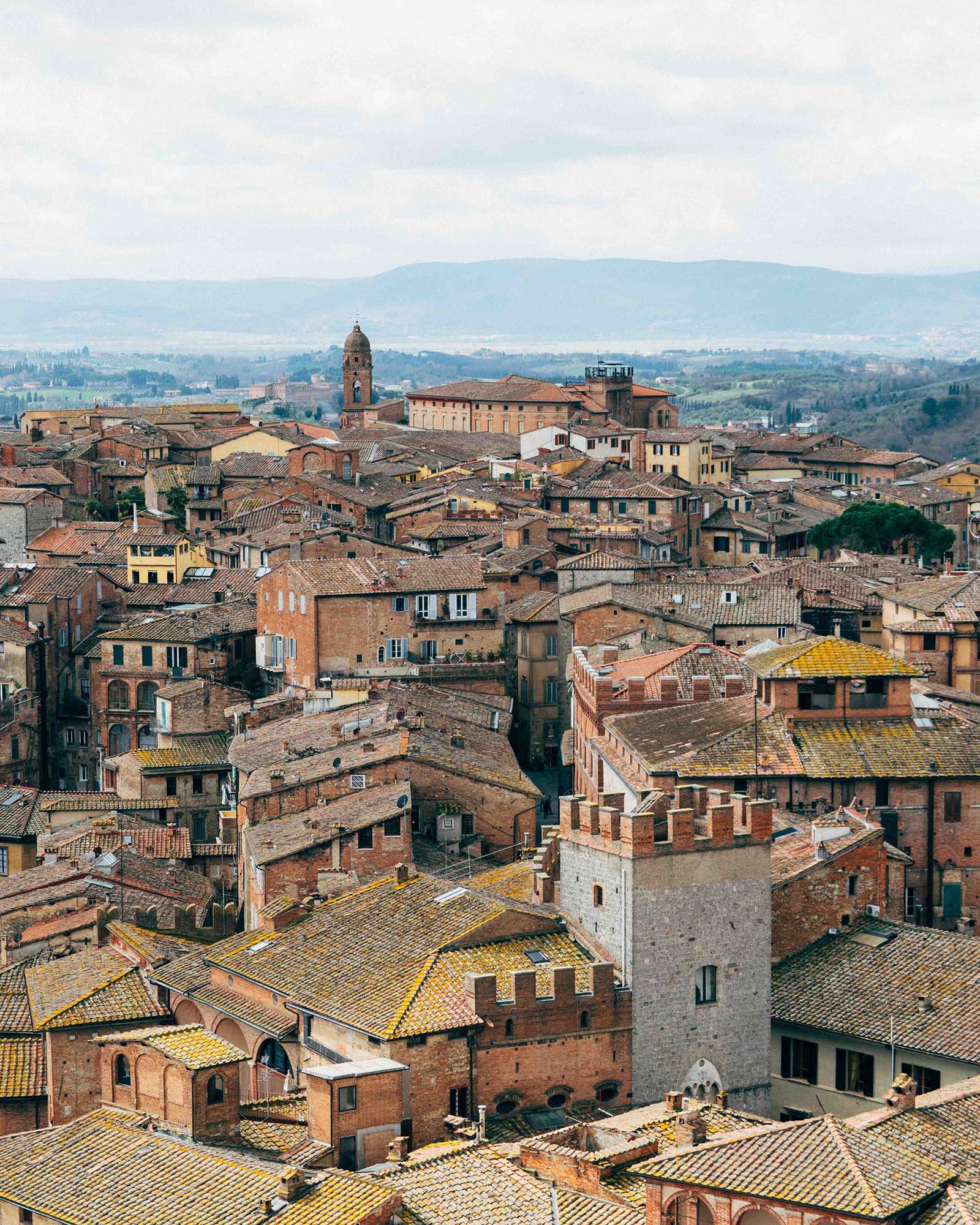
Siena: After San Gimignano, head to Siena, a beautiful city that’s known for its medieval architecture and rich history. Visit the Piazza del Campo, the Duomo, and the Palazzo Pubblico. The main square of Siena, Piazza del Campo, is a unique shell-shaped square that serves as the heart of the city. It is famous for hosting the Palio di Siena, a historic horse race held twice a year. Siena is famous for its horse races and if you can, time your visit with a race. Horses are an emotion here.
Siena’s impressive cathedral, commonly known as the Siena Cathedral or the Duomo, is a masterpiece of Italian Romanesque-Gothic architecture. It features intricate facades, stunning stained glass windows, and remarkable works of art, including sculptures by Michelangelo. Adjacent to the Siena Cathedral is the Torre del Mangia, a soaring tower that offers breathtaking views of the city. Climbing to the top is a must for panoramic vistas. Savor traditional Tuscan cuisine in Siena’s charming trattorias and restaurants. Local specialties include pici pasta, ribollita (a hearty vegetable soup), and panforte (a traditional dessert).
Pisa and the Leaning Tower: After Florence, head to Pisa to see the famous Leaning Tower of Pisa. While you’re there, explore the Piazza dei Miracoli and the beautiful Baptistery. Pisa is a bit far from the other sites, so only go here if you really want to see the leaning tower. The place is filled with tourists, and I for one, felt it could have been skipped and the time better utilized elsewhere.
Lucca: End your day in Lucca, a charming medieval city with beautiful architecture and a peaceful atmosphere. Walk along the city walls, visit the Piazza dell’Anfiteatro, and try some local cuisine. Lucca is renowned for its intact city walls, which encircle the historic center. The walls date back to the Renaissance era and have been transformed into a pedestrian promenade, offering a scenic path for walking or cycling with panoramic views of the city. Lucca’s historic center is a treasure trove of medieval and Renaissance architecture.
Stroll through its narrow streets, visit picturesque squares like Piazza dell’Anfiteatro (built on the remains of a Roman amphitheater), and explore charming churches. One of Lucca’s iconic landmarks is the Guinigi Tower, topped with oak trees. Climbing the tower rewards visitors with a splendid view of the cityscape and the surrounding countryside.
Day 3: Wine Tasting at Chianti, followed by Cortona and Arezzo
Chianti: Start your day in the Chianti region, known for its beautiful countryside and delicious wines. Visit a local winery, take a scenic drive, and explore the charming towns and villages. Chianti is divided into sub-regions, including Chianti Classico, Chianti Rufina, and Chianti Colli Senesi, each offering unique wine experiences. Research and choose the wineries you’d like to visit based on their reputation, wine specialties, and ambiance.
The Chianti Classico Wine Route is a well-known itinerary that leads you through the heart of the Chianti Classico region, located between Florence and Siena. It includes wineries and picturesque towns such as Greve in Chianti, Castellina in Chianti, and Radda in Chianti. Many wineries in Chianti offer the opportunity to explore their vineyards and enjoy stunning views of the surrounding countryside. Take time to appreciate the beauty of the vineyards, olive groves, and rolling hills that characterize the Chianti landscape.
Cortona: After Chianti, head to Cortona, a hilltop town that’s known for its beautiful views and picturesque streets. Visit the Palazzo Comunale, the Duomo, and the Etruscan Museum. The main square, Piazza della Repubblica, is a hub of activity with its cafes, restaurants, and the 13th-century Palazzo Comunale (Town Hall). The Etruscan Academy Museum, located in Palazzo Casali, houses a collection of Etruscan artifacts and Renaissance artwork. The Medici Fortress, known as Fortezza del Girifalco, is a historic fortress that overlooks the town. Cortona is situated in the heart of Tuscany’s wine region and offers opportunities to taste local wines, such as the renowned Vino Nobile di Montepulciano.
Arezzo: End your day in Arezzo, a historic city that’s known for its beautiful churches and museums. Visit the Piazza Grande, the Basilica di San Francesco, and the Museo Archeologico. The heart of Arezzo is Piazza Grande, a picturesque medieval square surrounded by historic buildings. It is a UNESCO World Heritage site and the backdrop for the famous Giostra del Saracino, a historical reenactment festival held in June and September. The piazza is lined with elegant palaces and features the Vasari Loggia, an architectural masterpiece designed by Giorgio Vasari.
The Basilica of San Francesco is one of the most important religious sites in Arezzo. It houses the renowned fresco cycle, “The Legend of the True Cross,” painted by the renowned artist Piero della Francesca. Arezzo is famous for its monthly Antiques Fair, held on the first weekend of every month, except August. It is one of the largest antique markets in Italy, attracting visitors and collectors from all over the country. Arezzo offers a delightful culinary experience, with a focus on traditional Tuscan cuisine. Don’t miss the opportunity to try local specialties such as ribollita (a vegetable and bread soup), bistecca alla fiorentina (Tuscan-style grilled steak), and Vin Santo (a sweet dessert wine).
Day 4: – Val D’Orcia
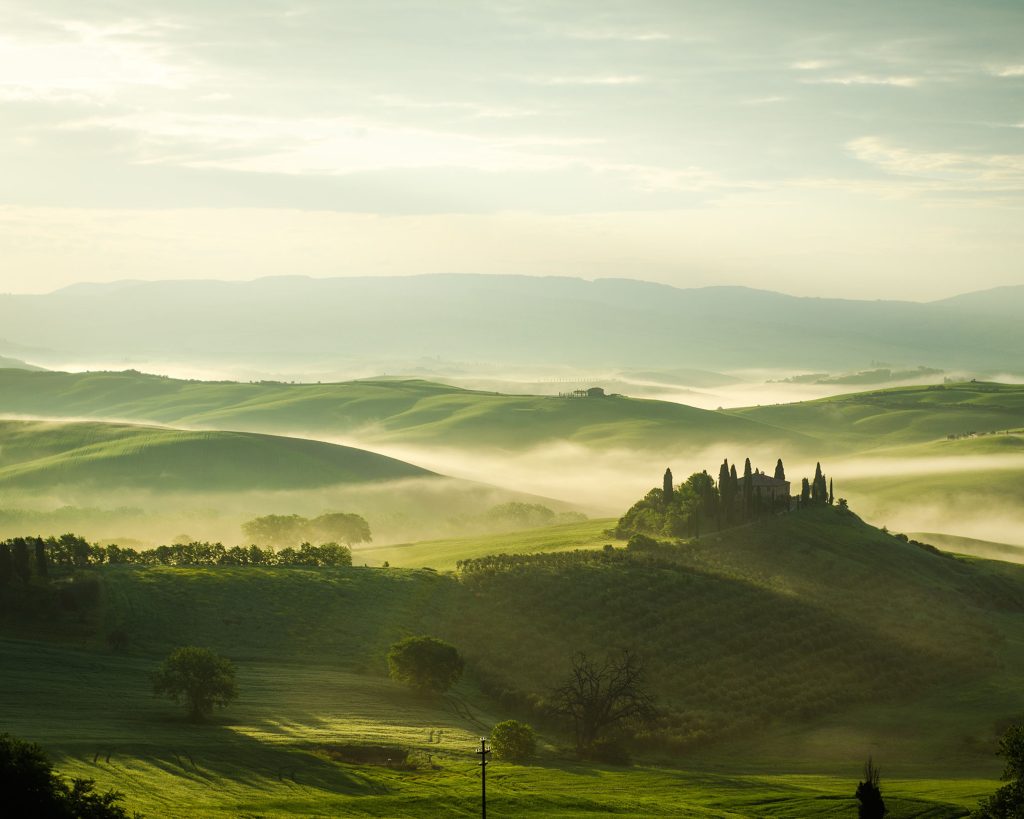
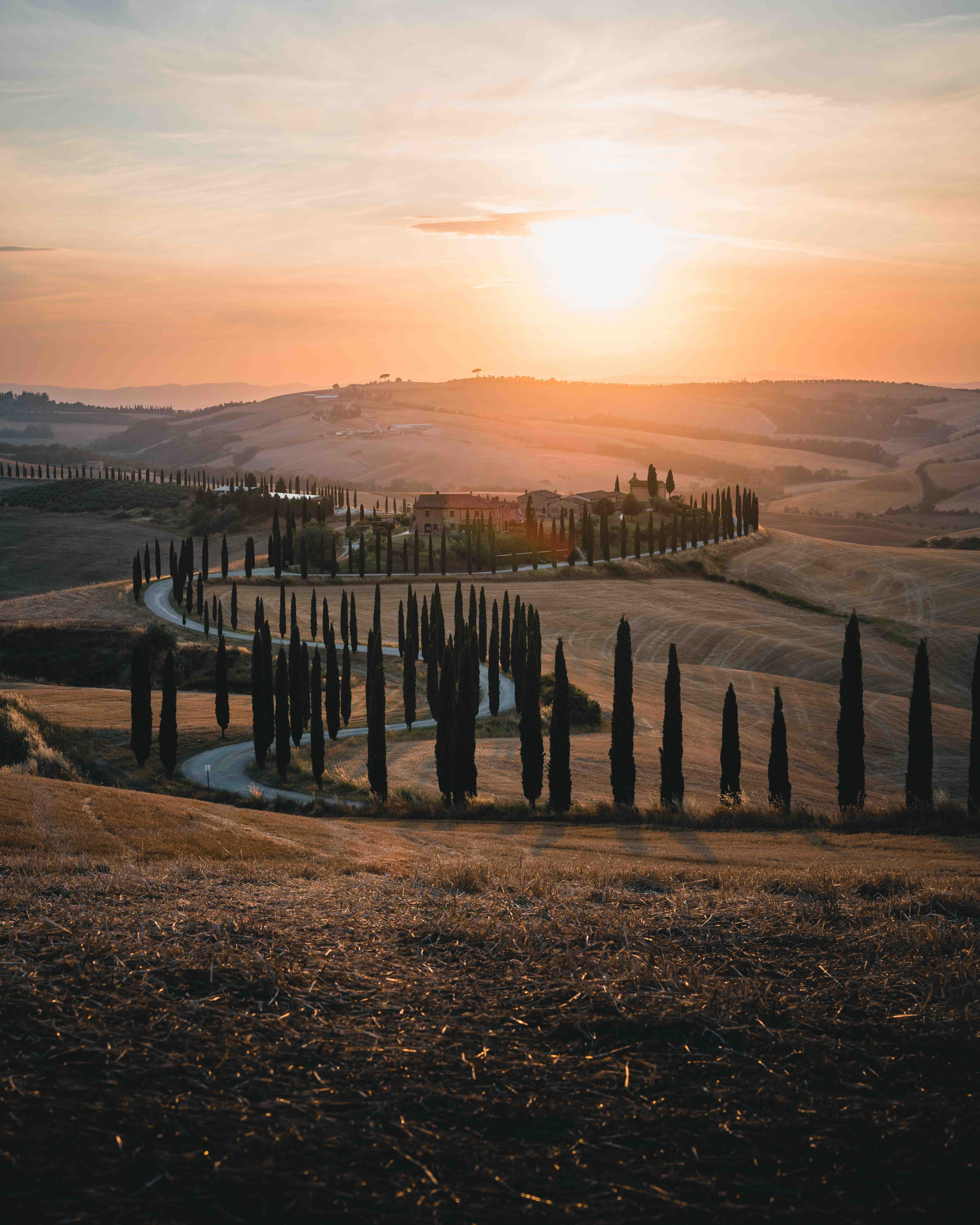
Val d’Orcia is a picturesque region located in the southern part of Tuscany, Italy. Made popular with its photos of a curved road meandering through Cyprus trees, it is known for its rolling hills, vineyards, olive groves, and charming medieval towns. It is a popular destination for tourists seeking a relaxing and authentic Italian experience.
The Val d’Orcia is characterized by its stunning landscape, which has been shaped by centuries of agriculture. The area is known for its wine production, particularly the Brunello di Montalcino and Vino Nobile di Montepulciano. The olive oil produced in Val d’Orcia is also considered to be some of the best in Italy.
Some of the towns in the Val d’Orcia worth visiting include Pienza, Montalcino, and Montepulciano. Pienza is a UNESCO World Heritage Site known for its Renaissance architecture and pecorino cheese. Montalcino is famous for its Brunello di Montalcino wine and its imposing castle, while Montepulciano is known for its Vino Nobile di Montepulciano wine and its well-preserved medieval center.
In addition to wine and food, the Val d’Orcia also offers opportunities for outdoor activities such as hiking and cycling. The region is crisscrossed by trails that lead through picturesque countryside and offer stunning views of the landscape.
Overall, the Val d’Orcia is a beautiful and tranquil area that offers visitors a chance to experience the best of Tuscany’s natural beauty, history, and culture.
Recommendations and Pointers:
Tuscany is known for its delicious cuisine, which includes hearty soups, flavorful meats, fresh pasta, and of course, world-renowned wines. Enjoy the gelato – No trip to Florence is complete without indulging in some delicious Italian gelato.
Here are some of the best places to eat in Tuscany:
- Osteria Le Logge (Siena): This restaurant in Siena is famous for its Tuscan cuisine, including dishes like ribollita (a hearty soup made with bread and vegetables), wild boar ragù, and pici pasta. The wine list is also extensive and features many local wines.
- La Bottega del Buon Caffè (Florence): This Michelin-starred restaurant in Florence serves up creative Tuscan dishes made with fresh, seasonal ingredients. The menu changes frequently to reflect the season’s offerings.
- Osteria del Cinghiale Bianco (Florence): This cozy restaurant in Florence serves up delicious Tuscan specialties, including wild boar stew, pappardelle pasta, and bistecca alla fiorentina (a massive T-bone steak).
- Osteria La Porta (Monticchiello): This charming restaurant in the hilltop town of Monticchiello serves up traditional Tuscan dishes made with fresh, locally-sourced ingredients. The views from the outdoor terrace are also stunning.
- Albergaccio di Castellina (Castellina in Chianti): This restaurant in the heart of the Chianti wine region is known for its excellent wine list and delicious Tuscan cuisine, including dishes like cinghiale (wild boar) and tagliatelle with truffles.
- Ristorante Albergotto (Montalcino): This restaurant in the beautiful hilltop town of Montalcino is known for its delicious Tuscan cuisine and extensive wine list. Be sure to try the local specialty, Brunello di Montalcino wine.
- Osteria Le Vecchie Cantine (Greve in Chianti): This charming restaurant in the heart of the Chianti wine region serves up delicious Tuscan cuisine and features an extensive wine list. The outdoor seating area is also lovely on a warm day.
These are just a few of the many amazing places to eat in Tuscany. Don’t be afraid to explore the local food scene and try new things. Buon appetito!
Tuscany is a culinary paradise, offering a wide array of delicious dishes that showcase the region’s rich gastronomic heritage.
Here are some must-try foods when visiting Tuscany:
- Ribollita: This hearty and flavorful vegetable and bread soup is a traditional Tuscan dish. It’s made with ingredients like kale, cannellini beans, carrots, onions, and stale bread.
- Pappa al Pomodoro: Another classic Tuscan soup, pappa al pomodoro, is made with tomatoes, bread, garlic, basil, and olive oil. It’s a delicious and comforting dish, especially during the summer when tomatoes are at their best.
- Bistecca alla Fiorentina: Tuscany is renowned for its succulent and flavorful Chianina beef, which is best enjoyed as a thick, grilled T-bone steak known as bistecca alla Fiorentina. The steak is seasoned simply with salt, pepper, and olive oil.
- Pici: Pici is a type of thick, hand-rolled pasta that is similar to spaghetti but with a chewier texture. It’s often served with a rich sauce like Cinghiale (wild boar) ragu or garlic and tomato sauce.
- Panzanella: This refreshing Tuscan salad is made with stale bread, tomatoes, onions, cucumber, basil, and a simple dressing of olive oil and vinegar.
- Crostini: Crostini are small toasted bread slices topped with various toppings like chicken liver pâté, Tuscan-style tomato and basil, or mushrooms and truffles.
- Cacciucco: Cacciucco is a traditional Tuscan fish stew made with a variety of fish and seafood, tomatoes, garlic, and chili peppers. It’s a specialty of the coastal regions of Tuscany.
- Cantucci: Cantucci, also known as biscotti di Prato, are almond biscuits that are typically served with Vin Santo, a sweet dessert wine. The tradition is to dip the cantucci in the wine before enjoying them.
- Pecorino Cheese: Tuscany is famous for its pecorino cheese, made from sheep’s milk. Try different varieties, from young and mild to aged and sharp.
- Tiramisù: While tiramisù is a classic Italian dessert, you’ll find it on many menus in Tuscany. This delectable treat consists of layers of coffee-soaked ladyfingers and creamy mascarpone cheese.
- Wild Boar: Wild boar (cinghiale) is a common ingredient in Tuscan cuisine, used in dishes like ragu, stew, or even served as a roast.
When dining in Tuscany, look for restaurants that use locally sourced, fresh ingredients to experience the authentic flavors of the region. Tuscan cuisine emphasizes simplicity and quality, making it a true delight for food enthusiasts. Buon appetito!
The Wine Windows of Florence: Buchette Del Vino
There is something quite intrinsically Italian about Buchette del vino (wine windows in English). It is a tradition primarily found in Tuscany dating back to the 17th century. They are small openings or windows in the walls of wine cellars or wine shops, through which wine was sold directly to passersby without the need to enter the premises. Originating during a period of economic hardship, the windows were used by wine producers to sell their wine directly to the public while maintaining social distancing and minimizing contact.
In recent years, the tradition of wine windows has experienced a revival, and some establishments in Tuscany have restored and reopened these historic features. Today, wine windows can be found in various cities in Tuscany, and they serve as a unique cultural and historical reminder of the region’s winemaking heritage.
Best time to visit Tuscany –
The shoulder seasons of spring and fall are generally the best times to avoid the crowds and enjoy milder weather, while winter can be a good time to find lower prices and experience seasonal events.
The peak tourist season in Florence is from June to August when the weather is warm and sunny. During this time, the city can be crowded with tourists, and popular attractions can have long lines. Prices for accommodation and flights are also higher during this period.
If you prefer to avoid the crowds and high prices, the best time to visit Florence is during the shoulder seasons of spring (March to May) and fall (September to November). During these months, the weather is mild, and the crowds are thinner. You’ll also find more affordable accommodation and flight options.
Winter (December to February) can also be a good time to visit Florence, especially if you’re interested in experiencing the Christmas season or seeing the city covered in snow.
What not to do in Tuscany
When visiting Tuscany, a region in central Italy known for its stunning landscapes, rich history, and world-renowned art, there are certain things you should avoid doing to ensure a respectful and enjoyable experience. Here are some things not to do in Tuscany:
- Don’t ignore local customs and etiquette: Tuscany has its own unique customs and etiquette. Familiarize yourself with basic Italian customs, such as greeting people with a friendly “buongiorno” (good morning) or “buonasera” (good evening). Respect local traditions and be mindful of your behavior in public spaces.
- Don’t disrespect historic sites and monuments: Tuscany is home to numerous historic sites and monuments, such as the Leaning Tower of Pisa, the Duomo in Florence, and the historic centers of Siena and San Gimignano. Respect these cultural treasures by not climbing on them, vandalizing them, or engaging in any behavior that could damage or disrespect their historical significance.
- Don’t litter or damage the environment: Tuscany’s beautiful landscapes, including rolling hills, vineyards, and olive groves, should be treated with care. Avoid littering or damaging the environment. Dispose of your trash properly and respect the natural beauty of the region.
- Don’t drive irresponsibly or park illegally: If you choose to rent a car to explore Tuscany, drive responsibly and adhere to traffic rules. Avoid reckless driving, speeding, or parking in unauthorized areas. Be respectful of pedestrians and cyclists, especially in crowded cities like Florence or Siena.
- Don’t pick protected wildflowers or damage vegetation: Tuscany is known for its stunning flora, including wildflowers that bloom in spring. However, it is important not to pick protected or endangered flowers or damage vegetation. Enjoy the natural beauty without causing harm.
- Don’t skip local food and wine experiences: Tuscany is famous for its cuisine and wine. Don’t miss the opportunity to indulge in authentic Tuscan dishes like ribollita, bistecca alla fiorentina, and pappa al pomodoro. Visit local wineries and try the renowned Tuscan wines, such as Chianti or Brunello di Montalcino.
- Don’t trespass on private property: Tuscany is dotted with charming countryside estates and private properties. Respect the privacy of residents and avoid trespassing on private land without permission. Stick to public areas and designated trails when exploring the countryside.
- Don’t disregard appropriate attire for religious sites: Tuscany has several beautiful churches and religious sites. When visiting these places, dress modestly and respectfully. Cover your shoulders and knees, and avoid wearing revealing clothing or beachwear.
- Don’t overpack your itinerary: Tuscany offers a wealth of attractions and activities, but it’s important not to overpack your itinerary. Give yourself time to relax, savor the local culture, and enjoy the slower pace of life. Allow for spontaneous discoveries and leisurely exploration.
- Don’t overlook lesser-known towns and villages: While famous cities like Florence, Siena, and Pisa attract many visitors, don’t overlook the smaller towns and villages in Tuscany. Places like Lucca, Montepulciano, and Volterra offer a more intimate and authentic Tuscan experience.
By respecting local customs, traditions, and the environment, you can have a memorable and respectful experience while exploring the picturesque region of Tuscany. Immerse yourself in the rich cultural heritage, savor the delicious cuisine, and take in the breathtaking landscapes.
Best Photo Spots – Tuscany
Tuscany is known for its beautiful rolling hills, charming villages, and vineyards. It offers many opportunities for stunning holiday photos. Here are some of the best photo spots in Tuscany:
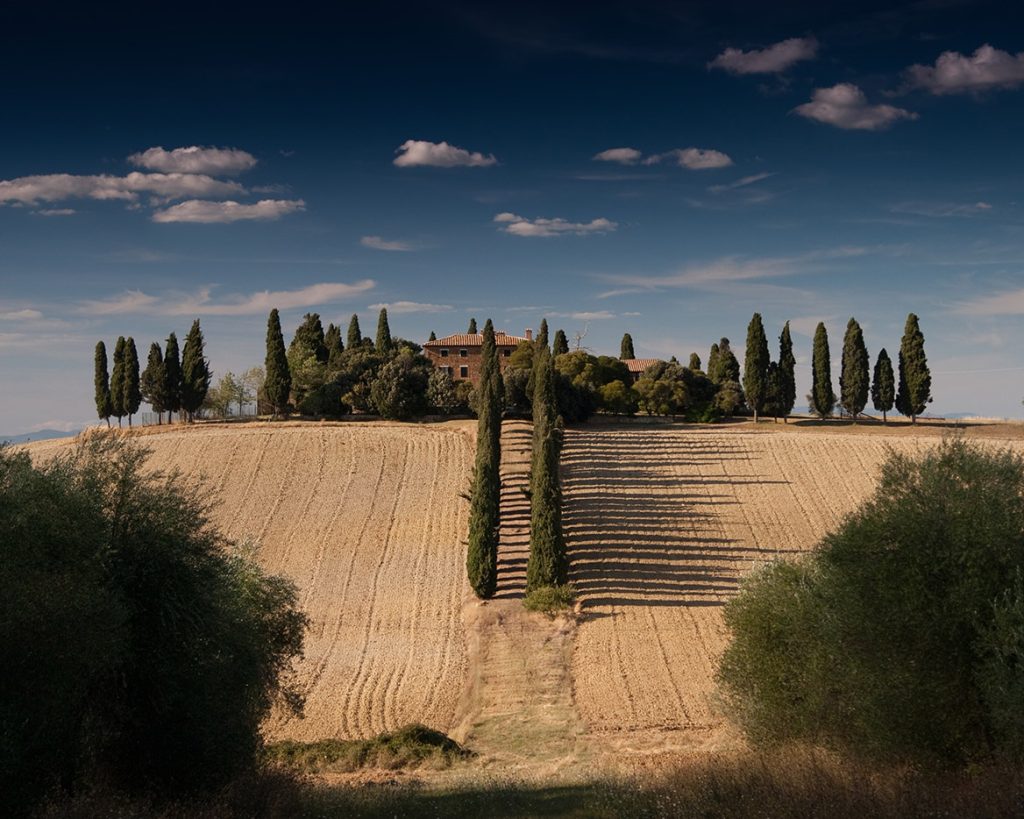
- Val d’Orcia: This is a UNESCO World Heritage Site that is known for its beautiful rolling hills, cypress trees, and charming medieval villages. The best time to take photos is during the golden hour, when the light is soft and warm.
- San Gimignano: This town is known for its many towers. The town offers stunning views of the surrounding hills, as well as beautiful streets and architecture. Piazza della Cisterna is a beautiful square in the center of town that is surrounded by medieval buildings and towers. The square is a great spot for street photography and capturing the essence of the town. Torre Grossa is the tallest tower in San Gimignano, and climbing to the top offers stunning views of the town and surrounding countryside. The tower is also a great subject for architectural photography. Via San Giovanni is a charming street that leads up to the Piazza del Duomo. It is lined with medieval buildings and offers many opportunities for street photography. Piazza del Duomo is the main square in San Gimignano and is home to the town’s cathedral. The square offers beautiful views of the surrounding countryside, as well as stunning architecture and sculptures. Rocca di Montestaffoli is a fortress that is located on a hill overlooking San Gimignano. The fortress offers stunning views of the town and surrounding countryside, as well as opportunities for landscape photography.
- Siena: This is a beautiful medieval city that is known for its historic center and stunning architecture. The city offers many opportunities for street photography, as well as stunning views of the surrounding countryside. Siena Cathedral is a stunning example of Gothic architecture and is one of the most photographed buildings in the city. The cathedral’s intricate facade and stunning interior offer many opportunities for architectural photography. The Medici fortress that is located on a hill overlooking Siena. The fortress offers stunning views of the city and surrounding countryside, as well as opportunities for landscape photography. The Torre del Mangia is a tower that is located next to Siena Cathedral and offers stunning views of the city. Climbing to the top of the tower offers opportunities for landscape and cityscape photography.
- Chianti Vineyards: The Chianti region is known for its vineyards and rolling hills. It offers many opportunities for landscape photography, as well as photos of the vineyards and wine-making process.
- Florence: Florence is the capital city of Tuscany and is known for its beautiful architecture and art. The city offers many opportunities for street photography, as well as stunning views of the Arno River and surrounding hills. Florence Cathedral is one of the most iconic buildings in the city and offers many opportunities for architectural photography. The cathedral’s stunning dome is especially photogenic.
Remember to wear comfortable shoes, carry water, and be open to local experiences. Tuscany can get crowded, although walking around the small towns is an experience in itself. Enjoy your time in Tuscany!
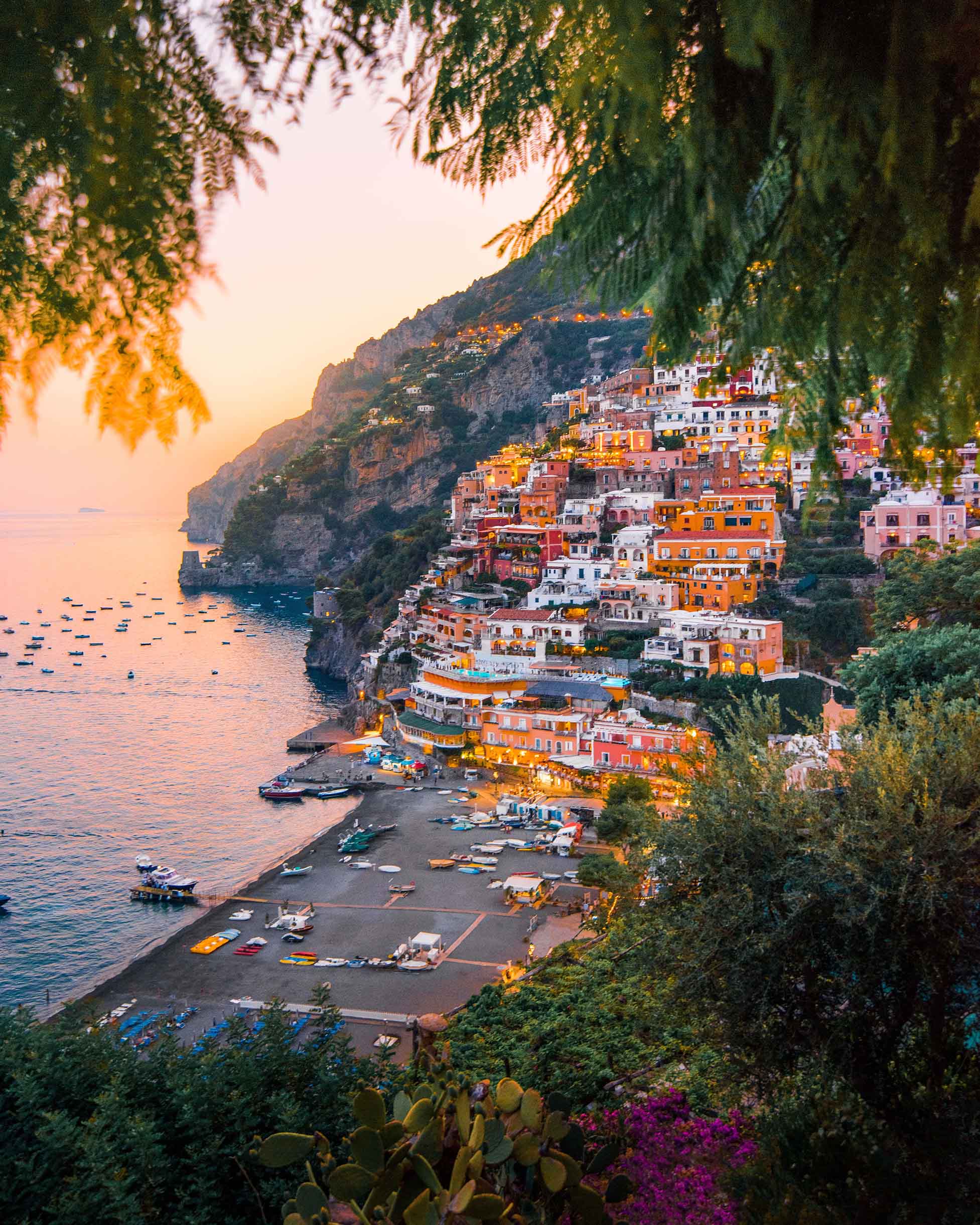
Make your Tuscany vacation more memorable with a trip to Rome and the Amalfi Coast. Share your love of Italy, we would love to hear from you.




Leave a Reply