


3 days Rome Itinerary – Breathtaking History in the capital of Italy.
Rome is a beautiful city with so much to see and do. Read on for the perfect 3 days in Rome itinerary. The first thing you notice when you land in Rome are the crowds. Home to the erstwhile mighty Roman Empire, Rome is a history lover’s paradise. Once you start weaving through the city and take in the amazing sights, it simply blows your mind away. Most of Rome can be covered on foot, except Vatican City where you can take a taxi to make the most of your time in the Italian capital.
Where to Fly into for Rome – Nearest Airport – Rome International Airport, also named Leonardo da Vinci-Fiumicino Airport. About 15kms away, Rome’s second airport is Ciampino, which is mainly for domestic and some international flights. Easily get a bus from both these airports or the Leonardo Express train will take you from the airport to the city.
Rome Itinerary Highlights
Here’s a 3-day Rome itinerary to help you make the most of your visit of Rome:
Day 1: A bit of Roman History!
Colosseum: Start your day early and visit the Colosseum. This iconic symbol of Rome is a must-see. You can book a guided tour to learn about the history of the Colosseum and skip the line. The Colosseum is one of Rome’s most popular attractions, and the lines to buy tickets can be very long, especially during peak tourist seasons. To save time and avoid waiting, purchase your tickets online in advance.
Consider purchasing a ticket that includes access to the Colosseum’s underground and upper levels. These areas provide a unique perspective and allow you to see parts of the structure that are not accessible with a standard ticket. The Colosseum is close to other famous Roman landmarks like the Roman Forum and Palatine Hill. Consider getting a combined ticket to visit these sites together. For photography enthusiasts, keep in mind tripods are not allowed inside the Colosseum.
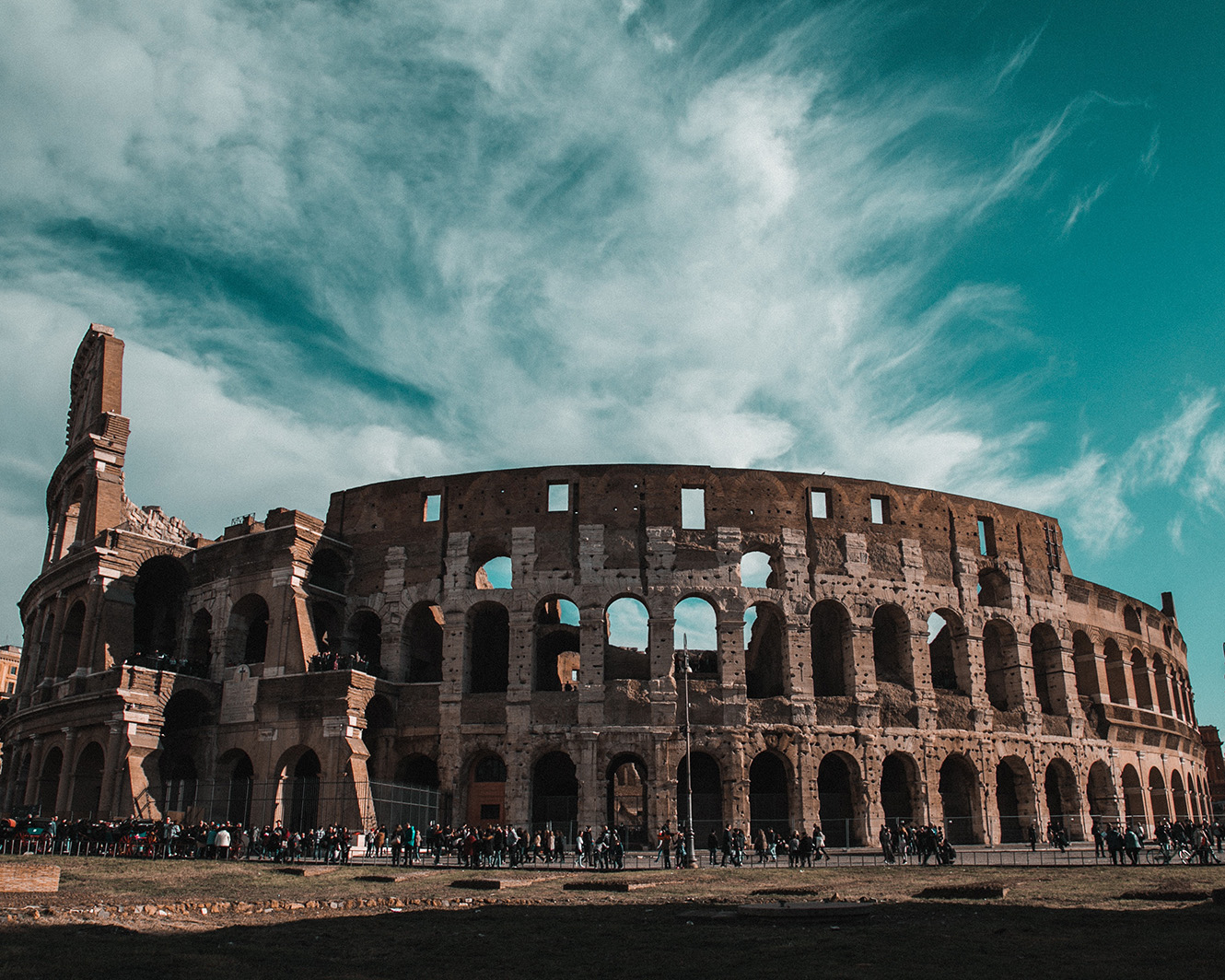
Roman Forum: After the Colosseum, head over to the Roman Forum, which is just a short walk away. It’s a vast area of ruins with a rich history and was once the center of political and social activity in Rome for nearly a millennium. It started as a marketplace and eventually evolved into a bustling public space where important buildings, temples, and monuments were erected. The Roman Forum’s opening hours vary throughout the year, so check the official website or other reliable sources for the most up-to-date information.
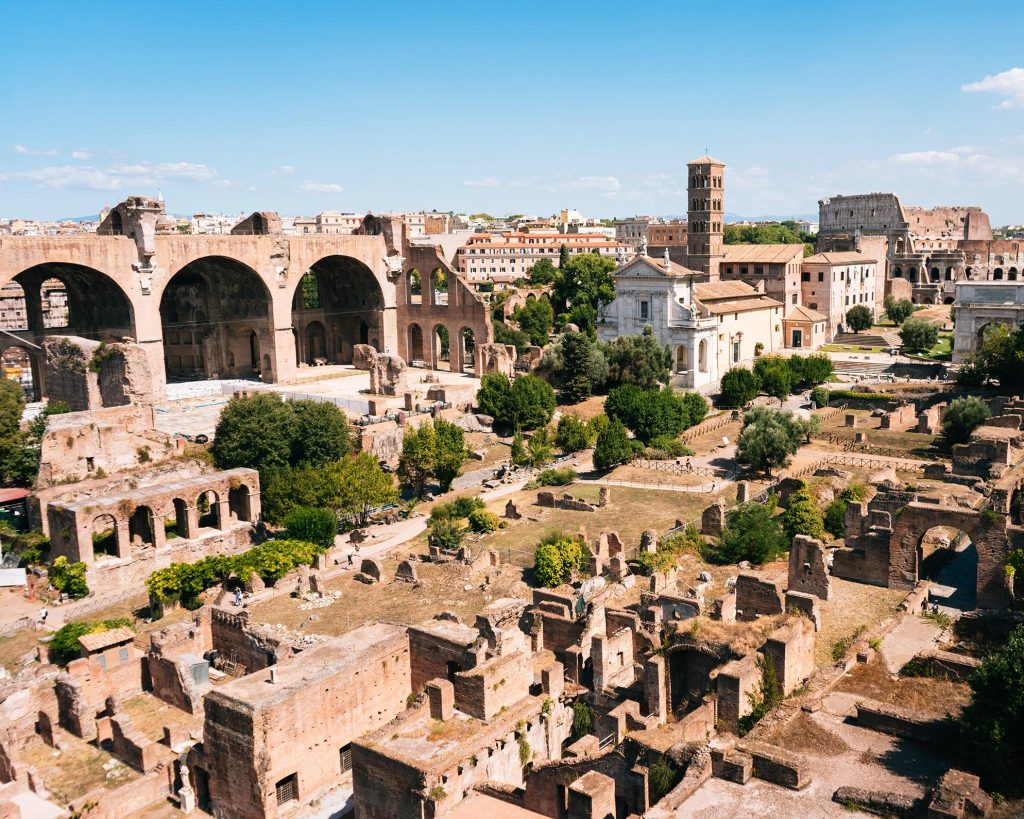
Grab a map or rent an audio guide at the entrance to help navigate the vast and complex archaeological site. This will ensure you don’t miss any important points of interest. The Roman Forum is an outdoor site with uneven terrain, so wear comfortable and sturdy footwear for walking on cobblestones and rough surfaces.
Some of the most significant sights in the Roman Forum include the Temple of Saturn, the Arch of Septimius Severus, the Basilica of Maxentius and Constantine, and the House of the Vestals. For stunning panoramic views of the Roman Forum and Rome’s cityscape, head to the Palatine Hill, located nearby. The Palatine Hill is also included in the combined ticket. Plan to spend at least a few hours exploring the Roman Forum thoroughly. The site is extensive, and there is much to see and learn about the ancient Roman civilization.
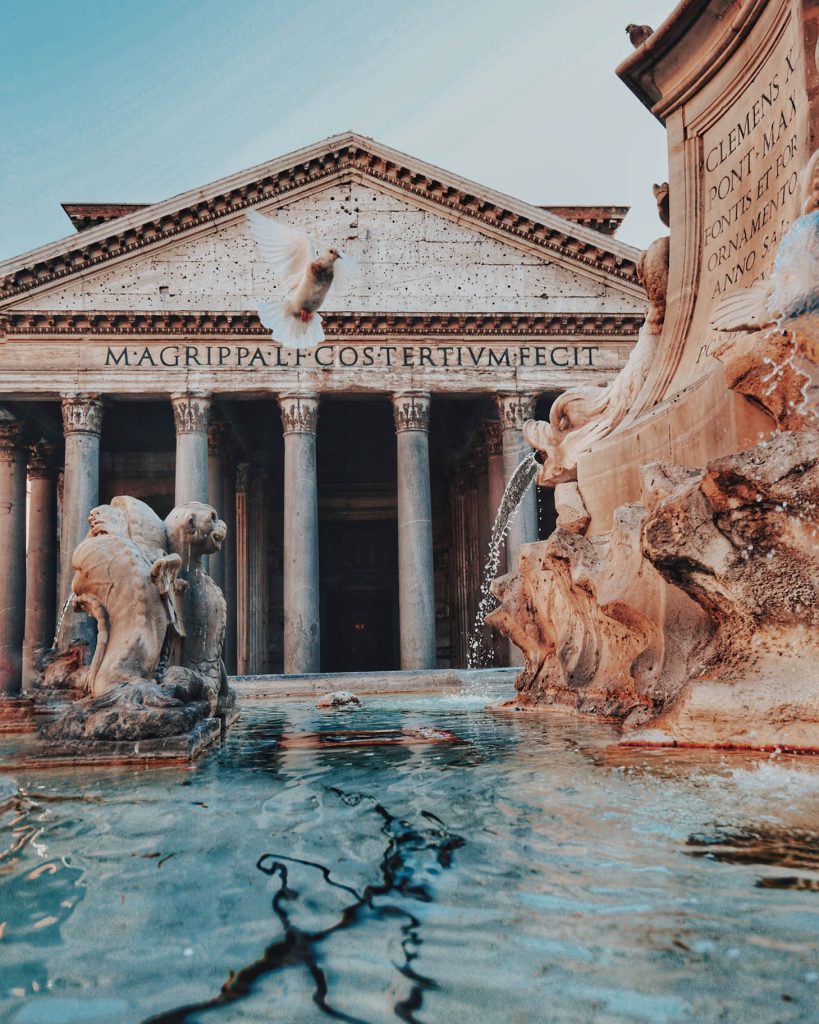
Pantheon: The Pantheon is a beautifully preserved temple that dates back to ancient Rome. It’s an architectural masterpiece and an excellent example of Roman engineering. The Pantheon was dedicated as a temple to all the gods of ancient Rome. The Pantheon’s architecture is a remarkable feat of engineering and design. Its most famous feature is the massive concrete dome, which was the largest dome in the world until modern times. The dome’s interior is coffered with sunken panels that reduce its weight while maintaining its structural integrity. The circular opening at the top of the dome allows natural light to illuminate the interior.
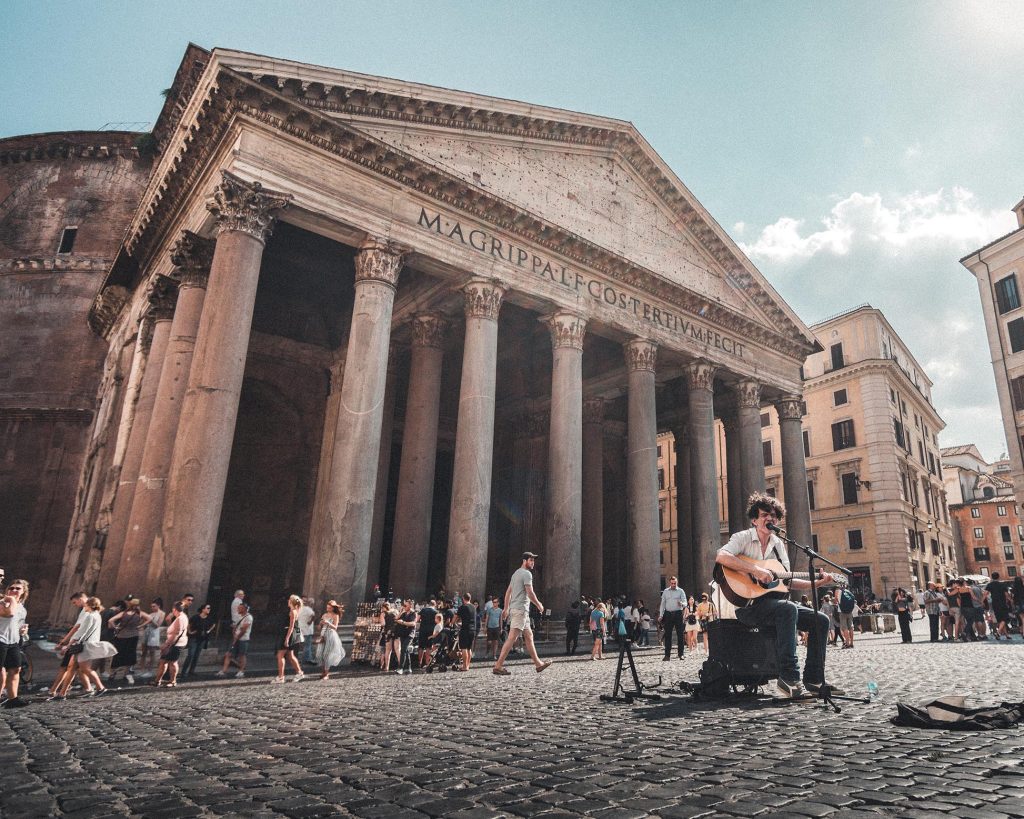
The Pantheon is located in the Piazza della Rotonda in the historic center of Rome, not far from other famous landmarks like the Trevi Fountain and Piazza Navona. Unlike many other ancient sites in Rome, there is no entrance fee to visit the Pantheon. It is open to the public as a church and historical monument. Several notable figures from Italian history are buried in the Pantheon, including the artist Raphael and several Italian kings and queens.
The Pantheon is generally open to visitors daily, but it may have limited hours on certain religious occasions. As the Pantheon is now a church, visitors are expected to dress modestly, covering their shoulders and knees. The square in front of the Pantheon is a great place to sit and people-watch. Take a moment to admire the Pantheon’s facade and the Egyptian obelisk in the center of the square.
Day 2: Get ready to be awestruck inside Vatican City
Vatican City: Start your day early and visit the Vatican City, which is the smallest independent state in the world. Explore the Vatican Museums, the Sistine Chapel, and St. Peter’s Basilica. It’s best to book your tickets in advance to avoid the long lines. Most people skip going inside Vatican City because of the crowds and long queues but it is a must-do, in my opinion. I am not generally a museum person but the Vatican is something else.
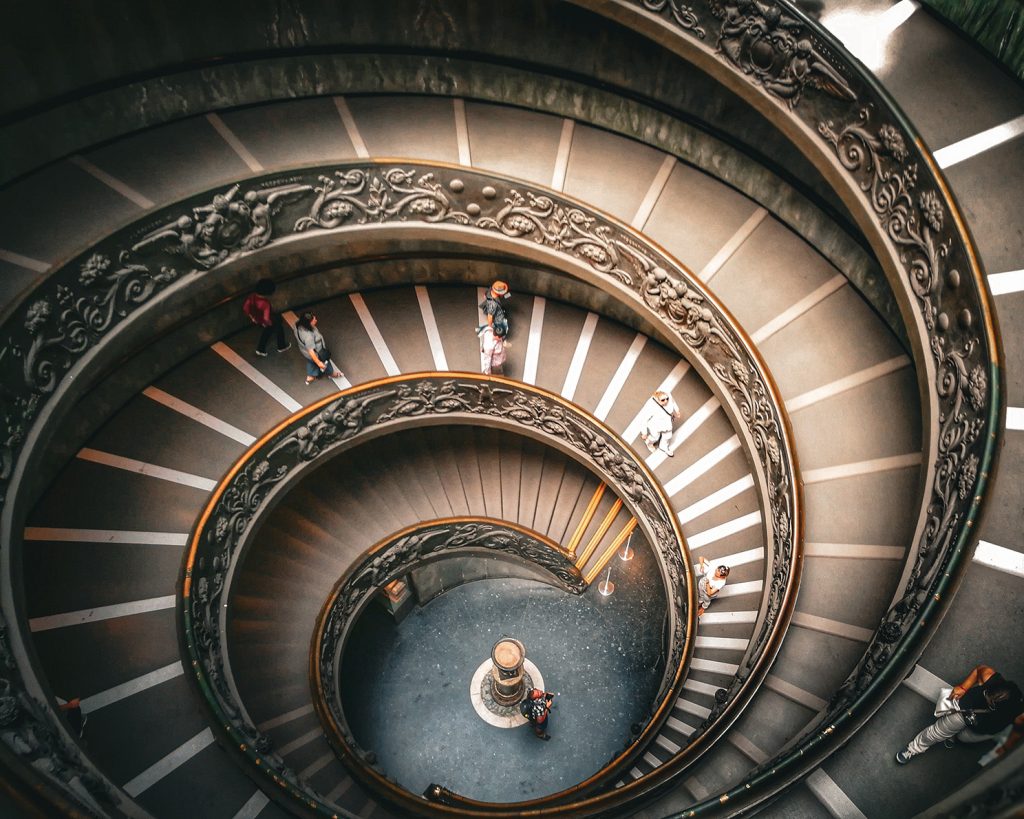
Consider taking a guided tour of the Vatican Museums and St. Peter’s Basilica. Knowledgeable guides can provide historical and artistic insights, helping you appreciate the vast collection of art and architecture. Photography is allowed in most areas of the Vatican Museums, but is prohibited inside the Sistine Chapel.
Be prepared for security checks similar to those at airports when entering the Vatican Museums and St. Peter’s Basilica. To expedite the process, avoid carrying large bags or prohibited items. Entrance to St. Peter’s Basilica is free, and the line to enter is usually shorter than the Vatican Museums.
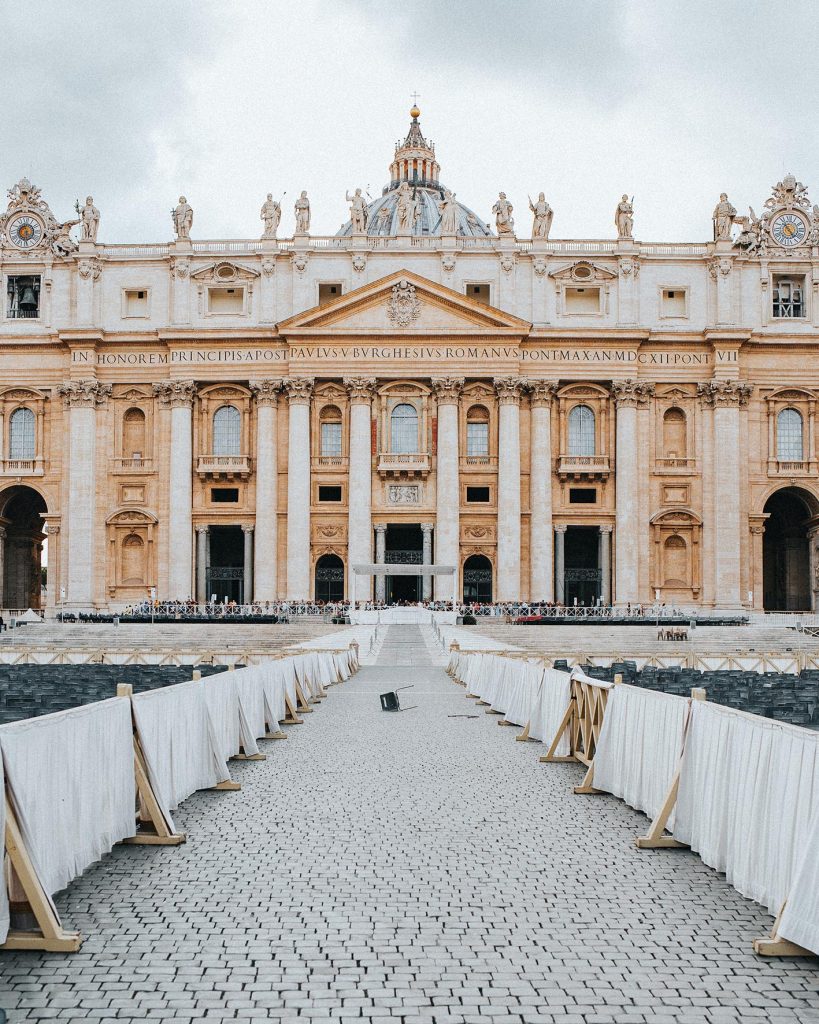
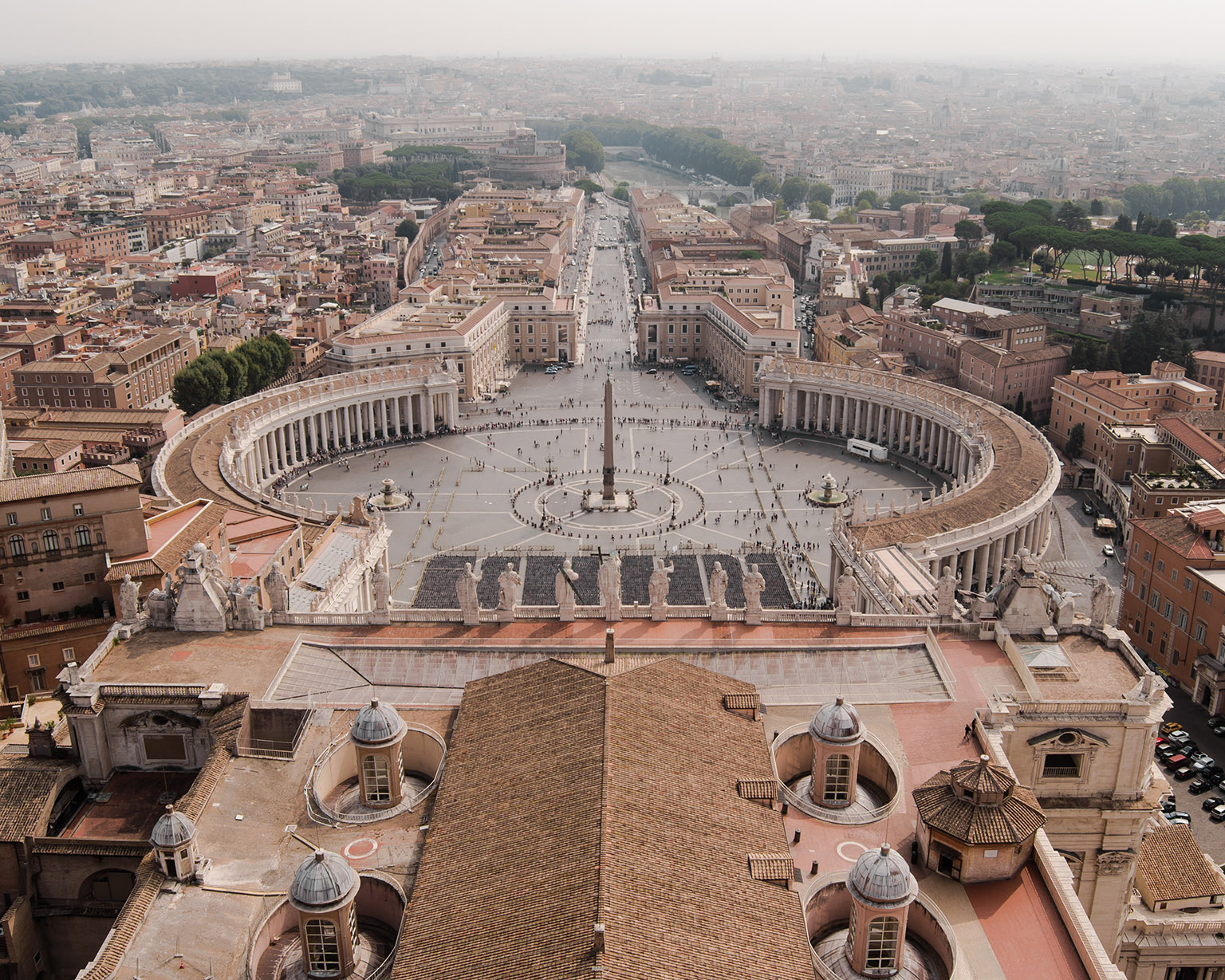
If you want to enjoy panoramic views of St. Peter’s Square and the surrounding area, you can climb to the top of St. Peter’s Dome. Here’s how you can do it:
- Enter St. Peter’s Basilica: To access the dome, you first need to enter St. Peter’s Basilica. The entrance to the basilica is free, and it’s usually open in the morning until late afternoon.
- Go to the Dome Entrance: Inside St. Peter’s Basilica, look for signs or ask the staff to direct you to the entrance for the dome climb. The entrance is located to the right of the main altar.
- Choose the Climb: There are two options to reach the top of the dome: by elevator or by taking the stairs. The elevator takes you part of the way up, reducing the number of stairs you need to climb. However, if you choose the elevator option, you’ll still need to climb some stairs and it’s a very narrow and winding staircase.
- Climbing by Stairs: If you decide to take the stairs all the way to the top, be prepared for a relatively narrow and winding staircase. The climb can be challenging, especially if you have mobility issues or are claustrophobic.
- Enjoy the View: Once you reach the top, you’ll be rewarded with stunning views of St. Peter’s Square, Vatican City, and the surrounding city of Rome. Take your time to soak in the breathtaking panorama and capture some memorable photos.
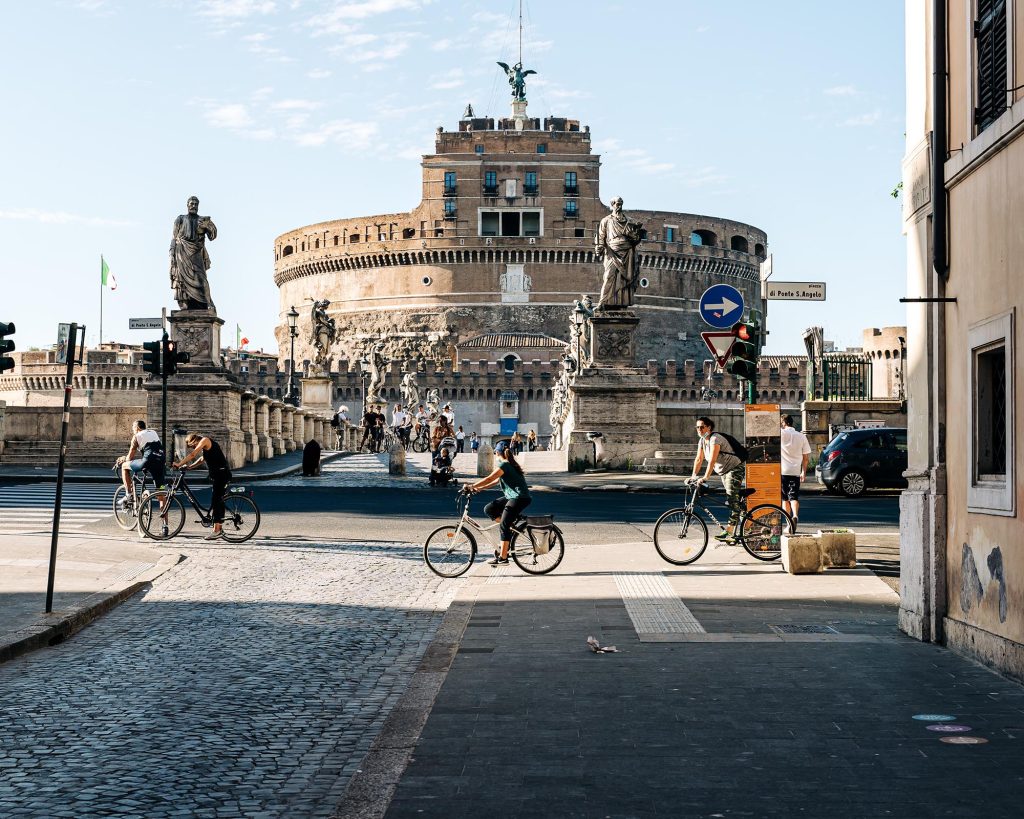
Castel Sant’Angelo: After the Vatican, head over to Castel Sant’Angelo, which is a beautiful fortress located on the banks of the Tiber River. It was originally built as a mausoleum for Emperor Hadrian and later used as a papal residence and a prison. Castel Sant’Angelo is connected to Vatican City by the Passetto di Borgo, a fortified corridor that allowed popes to escape to the castle in times of danger.
Today, Castel Sant’Angelo functions as a museum, showcasing historical artifacts, paintings, and sculptures related to its rich history. Visitors can explore its various levels and enjoy stunning views of Rome from the terrace. At the top of the building, there is a bronze statue of an angel, designed by Bernini, which gives the castle its name (“Sant’Angelo” means “Saint Angel” in Italian).
Consider taking a guided tour that includes access to the Passetto di Borgo, the fortified corridor that connects Castel Sant’Angelo to the Vatican. This exclusive tour will give you a behind-the-scenes glimpse of the castle’s history and its connection to the papacy. Castel Sant’Angelo is open for nighttime visits during certain periods. Exploring the castle under the moonlight creates a different atmosphere and allows you to see the site in a whole new light—literally!
Piazza Navona: End your day by visiting Piazza Navona, which is one of the most beautiful squares in Rome. It’s surrounded by stunning Baroque architecture, fountains, and street performers. Piazza Navona is home to three impressive fountains. The central and most famous one is the Fontana dei Quattro Fiumi (Fountain of the Four Rivers) by Bernini. Don’t miss the Fontana del Moro and Fontana del Nettuno (Fountain of Neptune) at the other ends of the square.
Grab a seat at one of the cafes or restaurants surrounding the square, and simply enjoy the bustling atmosphere and the flow of people passing by. Visit the nearby church of Santa Maria della Pace, a beautiful Renaissance church with stunning frescoes and a peaceful atmosphere. In the evenings, Piazza Navona comes alive with street performers, musicians, and outdoor dining. Enjoy the vibrant nightlife and the illuminated fountains before calling it a day.
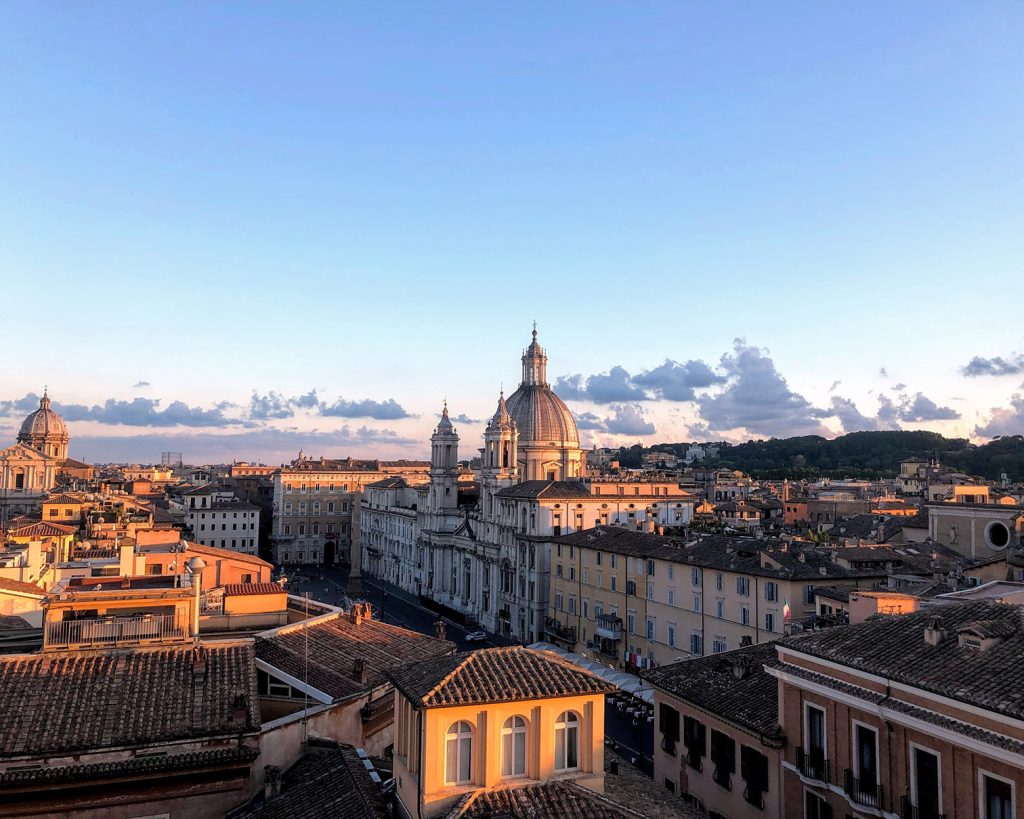
Day 3: Relax at the Trevi Fountain, Spanish Steps and unwind at beautiful Trastevere
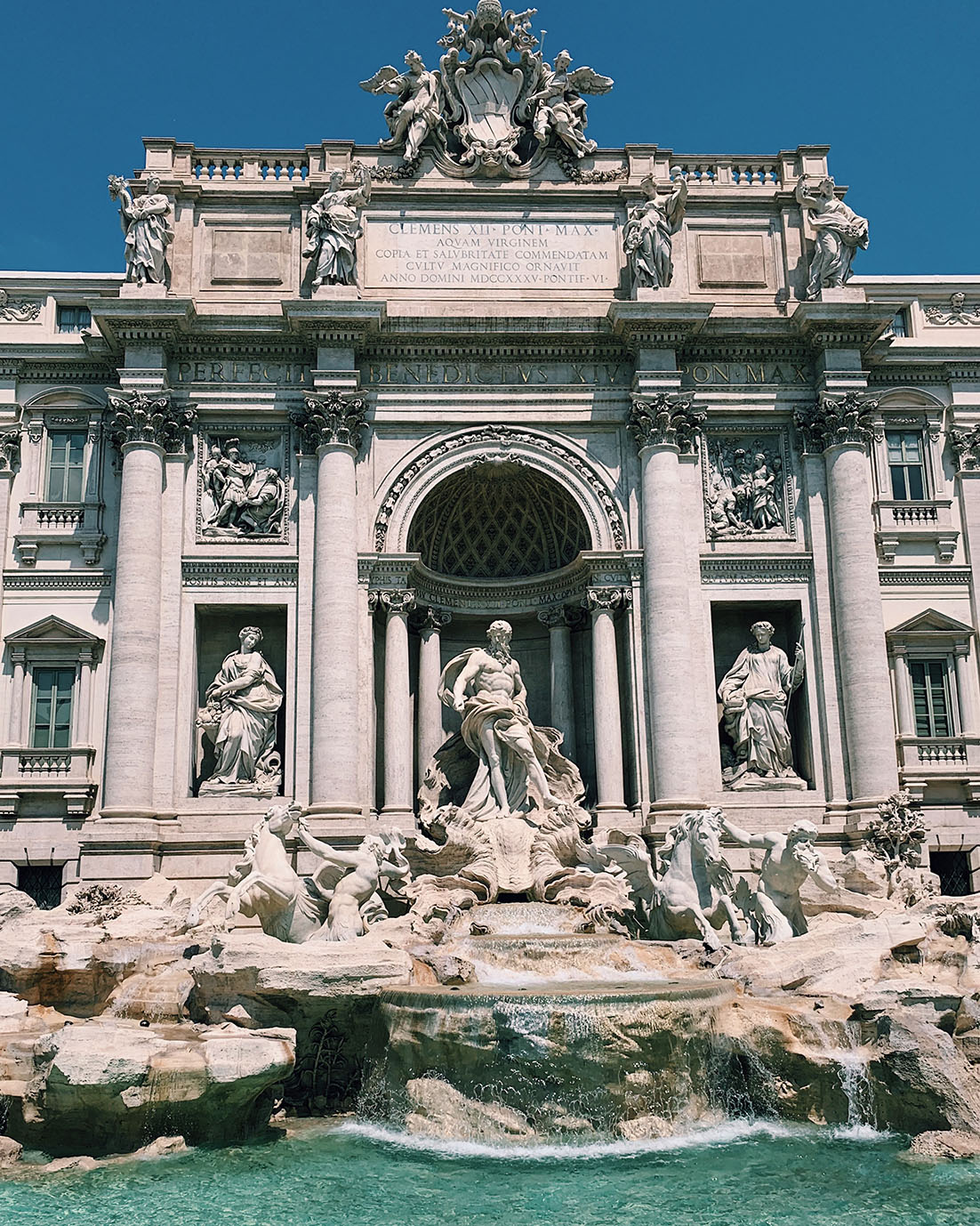
Trevi Fountain: Start your day by visiting the Trevi Fountain, which is one of the most famous fountains in the world. It’s a beautiful Baroque masterpiece and a popular spot for tourists. You can make a wish by throwing a coin at the fountain. It’s customary to throw a coin into the Trevi Fountain while making a wish. The tradition suggests that you should throw the coin over your left shoulder using your right hand. It is believed that if you do this, you will return to Rome in the future.
We even saw someone do a surprise proposal while we were there, it was a beautiful moment! While the tradition is to throw one coin for a return trip to Rome, throwing a second coin is believed to lead to a new romance or finding love.
After visiting the fountain, take some time to explore the charming streets surrounding the area. You’ll find many shops, restaurants, and gelaterias where you can enjoy a delicious meal or treat.
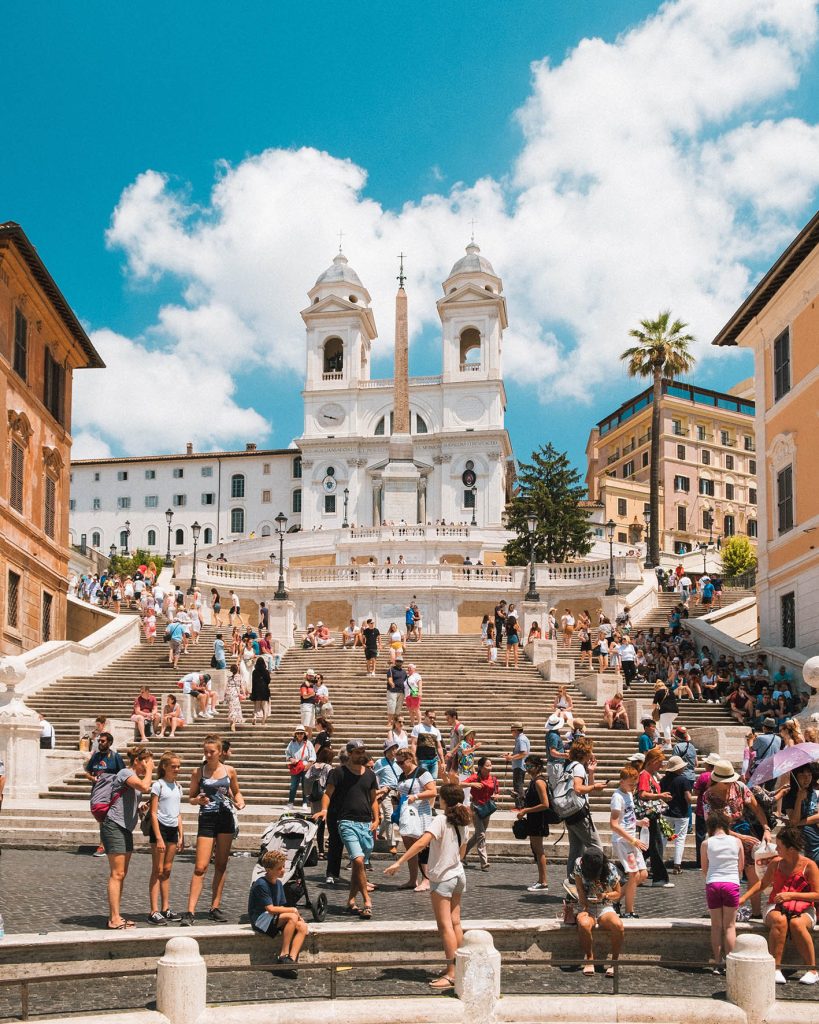
Spanish Steps: After the Trevi Fountain, head over to the Spanish Steps, which is a beautiful staircase that leads to the Trinità dei Monti church. It’s a popular spot for tourists and locals alike and offers stunning views of the city. The Spanish Steps are located in the Piazza di Spagna and the closest metro station is Spagna on Line A. The Spanish Steps area is known for its lively atmosphere. You can sit on the steps and people-watch, admire the view, or simply soak in the beauty of the surroundings. If you prefer a quieter experience, consider visiting early in the morning or later in the evening. You can take a leisurely stroll and explore the nearby streets such as Via Condotti, Via del Babuino, and Via Margutta for luxury shopping or quaint art galleries.
Trastevere: End your day by exploring the charming neighborhood of Trastevere, which is known for its narrow streets, colorful buildings, and vibrant nightlife. It’s a great place to grab a bite to eat, enjoy some gelato, and experience the local culture. Trastevere is known for its narrow cobblestone streets, medieval buildings, and a lively, bohemian atmosphere. It has retained much of its traditional character and is loved for its authentic Roman charm.
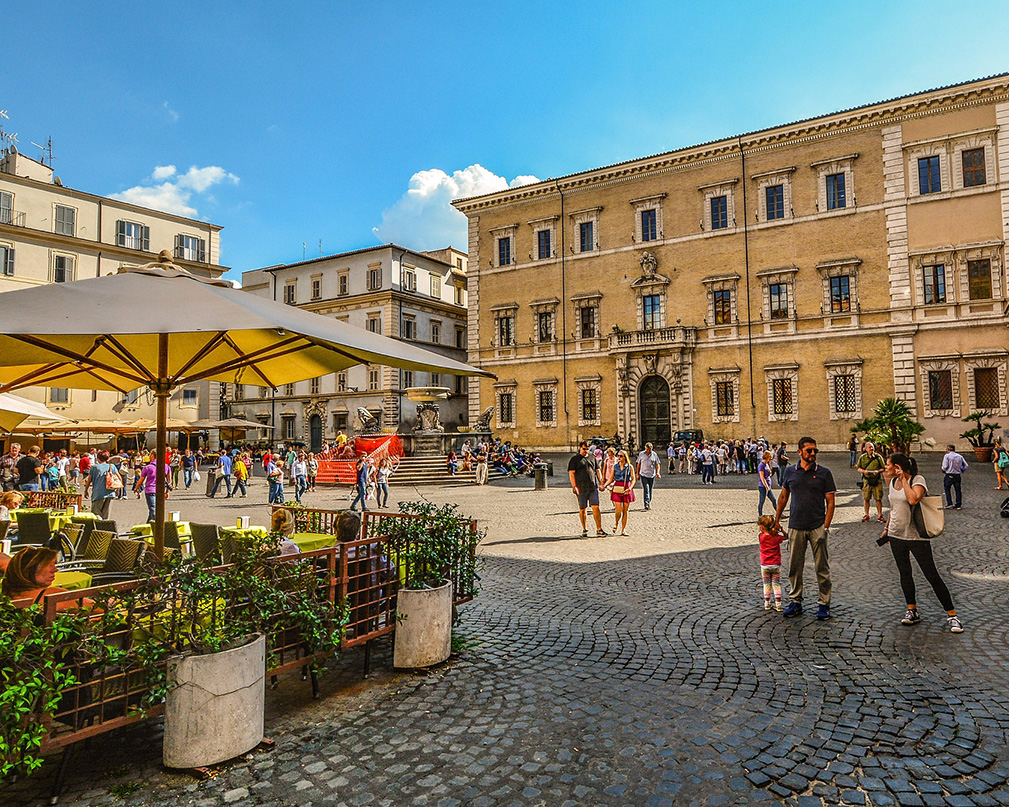
Wander through its winding streets and discover hidden squares, colorful facades, and picturesque alleys. You’ll encounter local artisan shops, trattorias, and lively piazzas along the way. Trastevere comes alive in the evenings, offering a vibrant nightlife scene. The neighborhood is dotted with numerous bars, pubs, and restaurants where you can enjoy a variety of local Roman cuisine, traditional trattorias, and trendy cocktail bars.
Spend some time in the lively Piazza di Santa Maria in Trastevere, the heart of the neighborhood. It’s a great spot for people-watching and enjoying street performances. Trastevere has a thriving street art scene. Keep an eye out for colorful murals and graffiti as you wander through the neighborhood. Trastevere is also known for its excellent dining scene. Enjoy traditional Roman dishes in one of the many trattorias or osterias. Don’t miss trying “Cacio e Pepe,” “Carbonara,” and “Supplì” (fried rice balls).
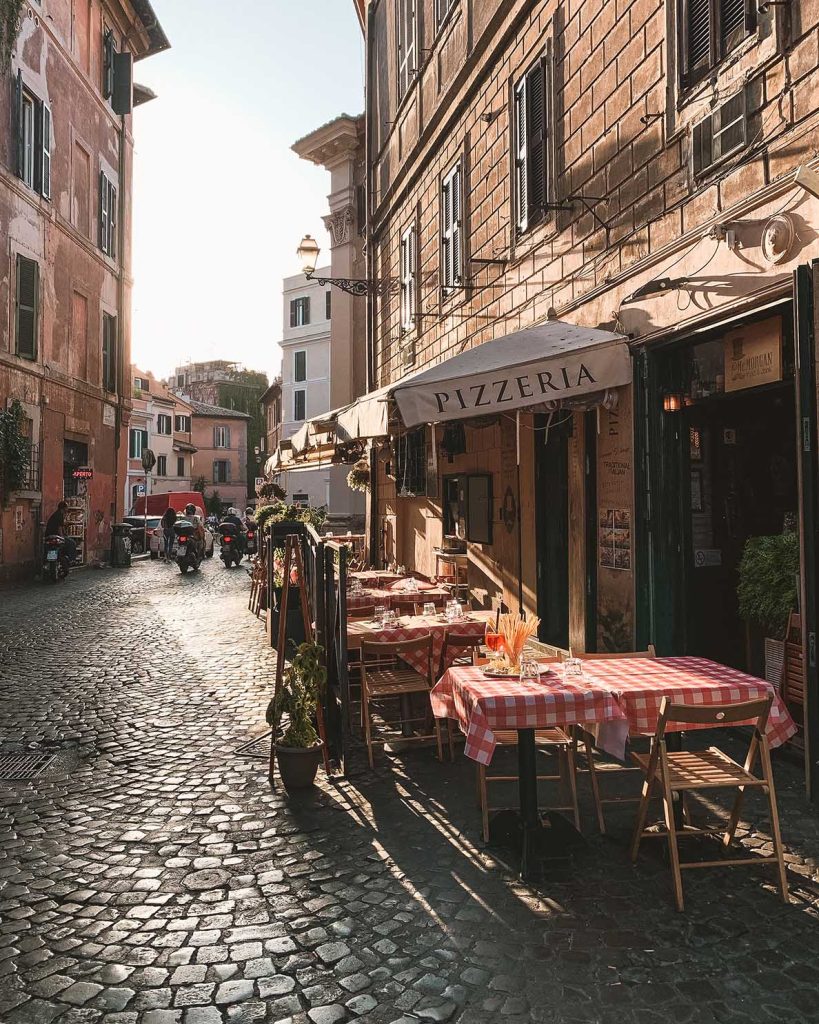
Rome is known for its delicious food, from classic Italian pasta dishes to delectable pizzas and gelato.
Here are some of the best places to eat in Rome:
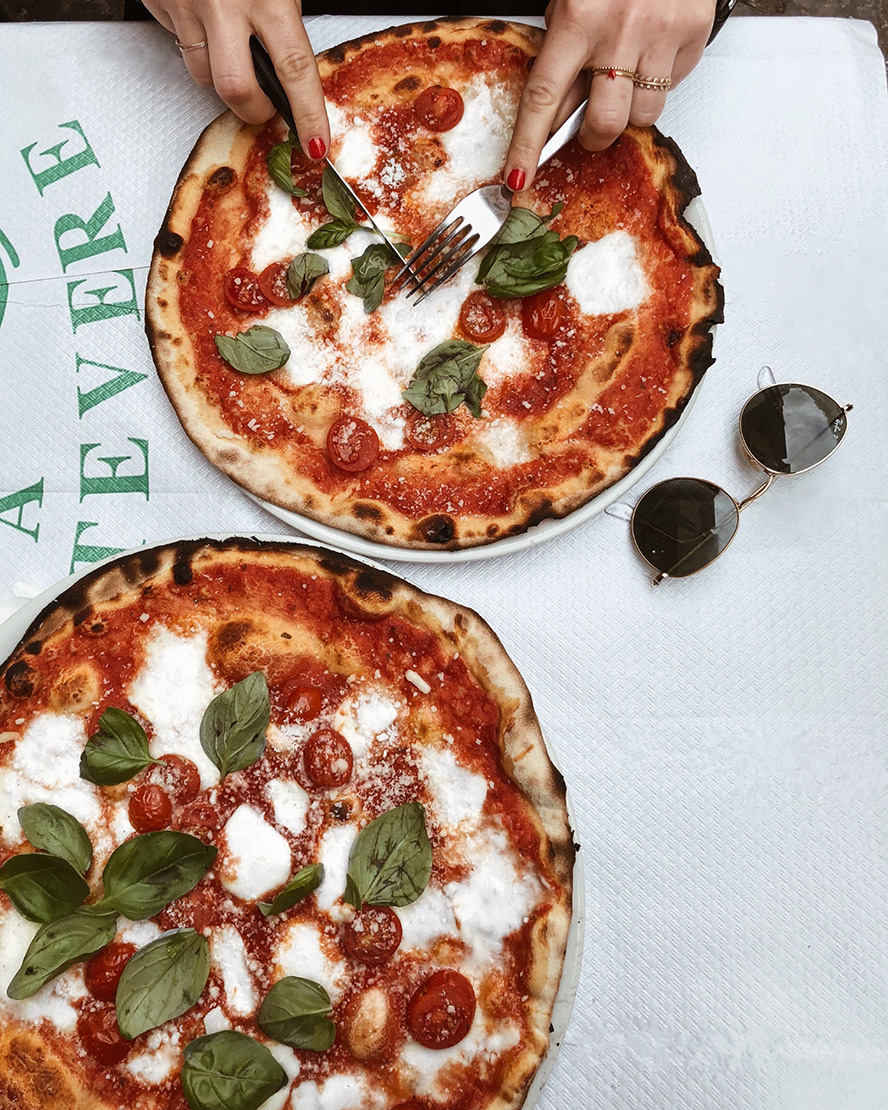
- Roscioli: This restaurant and deli is a must-visit for foodies. They offer a wide selection of cured meats, cheeses, and wines, as well as delicious pasta dishes and homemade bread.
- Pizzarium: This tiny pizzeria is a local favorite, serving up some of the best pizza in Rome. They use only fresh, locally-sourced ingredients and have a variety of toppings to choose from.
- Da Enzo al 29: This traditional trattoria serves up classic Roman dishes like cacio e pepe and amatriciana. The portions are generous, and the prices are reasonable.
- Armando al Pantheon: This family-run restaurant is located near the Pantheon and serves up delicious, homemade Roman cuisine. The pasta dishes are a must-try, and the desserts are heavenly.
- Gelateria del Teatro: This gelateria is a hidden gem, serving up some of the best gelato in Rome. They use only natural ingredients and have a variety of flavors to choose from.
- La Montecarlo: This historic café is located near the Spanish Steps and has been serving up delicious pastries and coffee since 1912. It’s a great spot for breakfast or a mid-day snack.
- Osteria del Pegno: This Michelin-starred restaurant serves up creative and delicious dishes inspired by traditional Roman cuisine. It’s a bit pricier than some of the other options on this list, but well worth it for a special occasion.
Rome is a culinary paradise, offering a wide array of delicious dishes and traditional Roman cuisine.
Here are some must-try foods when visiting Rome:
- Pasta Dishes: Sample classic Roman pasta dishes like Cacio e Pepe (pasta with cheese and black pepper), Carbonara (pasta with eggs, pancetta, and cheese), Amatriciana (pasta with tomato sauce and pancetta), and Gricia (pasta with guanciale and Pecorino Romano cheese).
- Pizza: Enjoy Roman-style pizza, known for its thin and crispy crust. Try pizza al taglio (pizza by the slice) with various toppings, including classic margherita or inventive combinations.
- Supplì: These are fried rice balls with a crispy outer layer and a gooey, cheesy center. Supplì are a popular street food snack.
- Roman-Jewish Cuisine: Explore dishes from Rome’s Jewish Ghetto, such as Carciofi alla Giudia (Jewish-style artichokes) and Filetti di Baccalà (fried codfish fillets).
- Artichokes: Artichokes are a specialty of Roman cuisine, and you can find them prepared in various ways, including Carciofi alla Romana (artichokes braised with herbs) and Carciofi alla Brace (grilled artichokes).
- Saltimbocca alla Romana: This traditional Roman dish consists of veal cutlets topped with prosciutto and sage, usually cooked in a white wine and butter sauce.
- Maritozzo: A sweet, soft bread roll filled with whipped cream, often enjoyed for breakfast or as a dessert.
- Gelato: Indulge in authentic Italian gelato from one of the many gelaterias in Rome. With a wide variety of flavors, you’ll be spoiled for choice.
- Roman Street Food: Try other popular street foods like Trapizzino (stuffed pocket sandwich), Porchetta (roast pork), and Fiori di Zucca (fried zucchini flowers).
- Tiramisù: End your meals with a classic Italian dessert like Tiramisù, made with layers of coffee-soaked ladyfingers and mascarpone cheese.
- Carciofo Romanesco: A Romanesco artichoke variety with a distinct shape and flavor, often served raw in salads.
- Coda alla Vaccinara: Oxtail stewed with vegetables and tomato sauce, a hearty and flavorful Roman specialty.
When dining in Rome, look for restaurants and trattorias that use fresh, local ingredients to experience the authentic flavors of this historic city. Whether you’re enjoying a casual meal at a trattoria or indulging in a fine dining experience, Rome’s food scene is sure to delight your taste buds. Buon appetito!
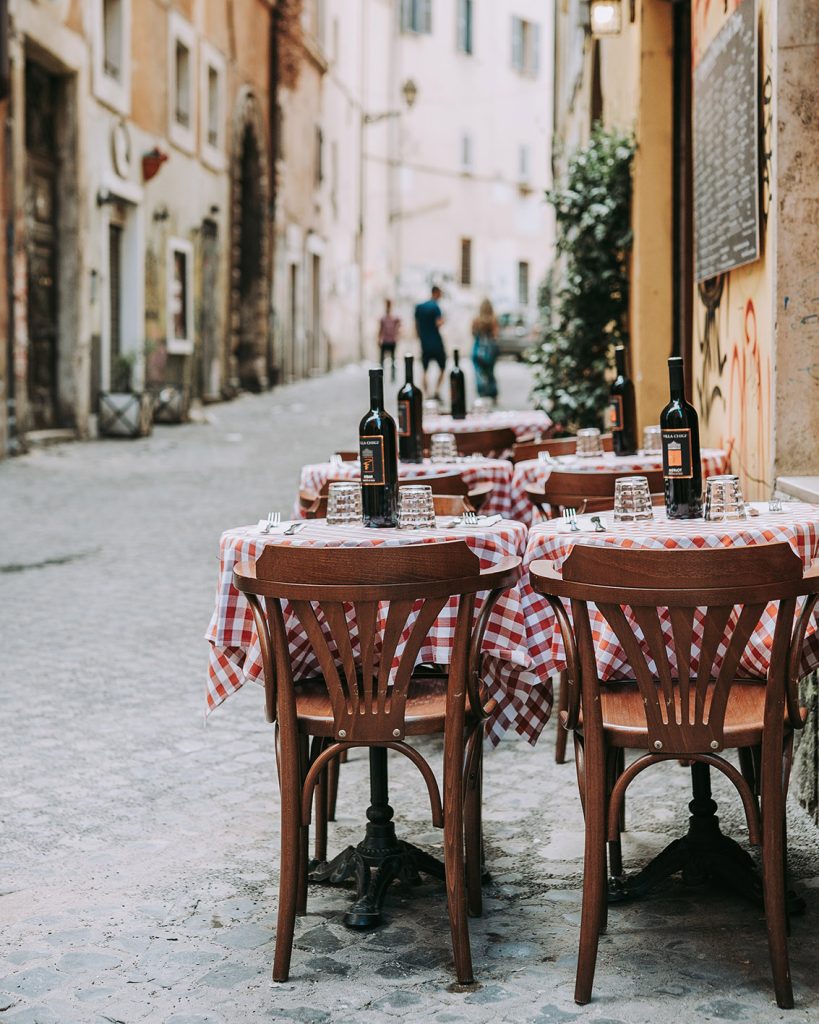
Best time to visit Rome
The peak tourist season in Rome is from June to August when the weather is warm and sunny. During this time, the city can be crowded with tourists, and popular attractions can have long lines. Prices for accommodation and flights are also higher during this period.
If you prefer to avoid the crowds and high prices, the best time to visit Rome is during the shoulder seasons of spring (March to May) and fall (September to November). During these months, the weather is mild, and the crowds are thinner. You’ll also find more affordable accommodation and flight options.
Winter (December to February) can also be a good time to visit Rome, especially if you’re interested in experiencing the Christmas season or seeing the city covered in snow. Prices are generally lower during this period, but the weather can be cold and rainy.
Best Photo Spots in Rome –
The capital city of Italy, is a treasure trove of history, culture, and stunning architecture. Here are some of the best photo spots in Rome:
- Colosseum: The Colosseum is one of the most iconic landmarks in Rome and a popular spot for photos. The best time to take photos is early in the morning or late in the afternoon, when the crowds are smaller and the light is soft.
- Vatican City: The Vatican City is home to some of the most beautiful artwork and architecture in the world, including St. Peter’s Basilica and the Sistine Chapel. Visitors can take photos of the impressive buildings and stunning artwork inside. St. Peter’s Square is a popular spot for tourists, so getting there early in the morning before the crowds arrive can help you capture a photo without too many people in the shot.
- The rooftop of St. Peter’s Basilica, also known as the Dome, offers stunning views of Vatican City and Rome. To reach the rooftop, visitors must climb a total of 551 steps. However, there are also an elevator and a shorter staircase that take visitors partway up the dome, so they only need to climb 320 steps to reach the rooftop. The elevator goes up to the level just before the rooftop, and visitors must climb the remaining stairs to reach the top. Keep in mind that the staircase can be narrow and winding, so it may not be suitable for everyone. But for those who are able to make the climb, the views from the top are truly breathtaking.
- Piazza Navona: Piazza Navona is a beautiful square with a Baroque fountain and stunning architecture. It’s a great spot for people-watching and taking photos of the lively atmosphere.
- Trevi Fountain: The Trevi Fountain is one of the most famous fountains in the world and a popular spot for photos. The best time to take photos is early in the morning or late at night, when the crowds are smaller.
- Spanish Steps: The Spanish Steps are a beautiful staircase that leads up to the Trinita dei Monti church. The best time to take photos is early in the morning, before the crowds arrive.
- Pantheon: The Pantheon is a stunning temple that was built in the 2nd century AD. It’s a great spot for photos both inside and outside.
- Castel Sant’Angelo: Castel Sant’Angelo is a historic castle located on the banks of the Tiber River. It’s a great spot for photos of the castle and the surrounding area.
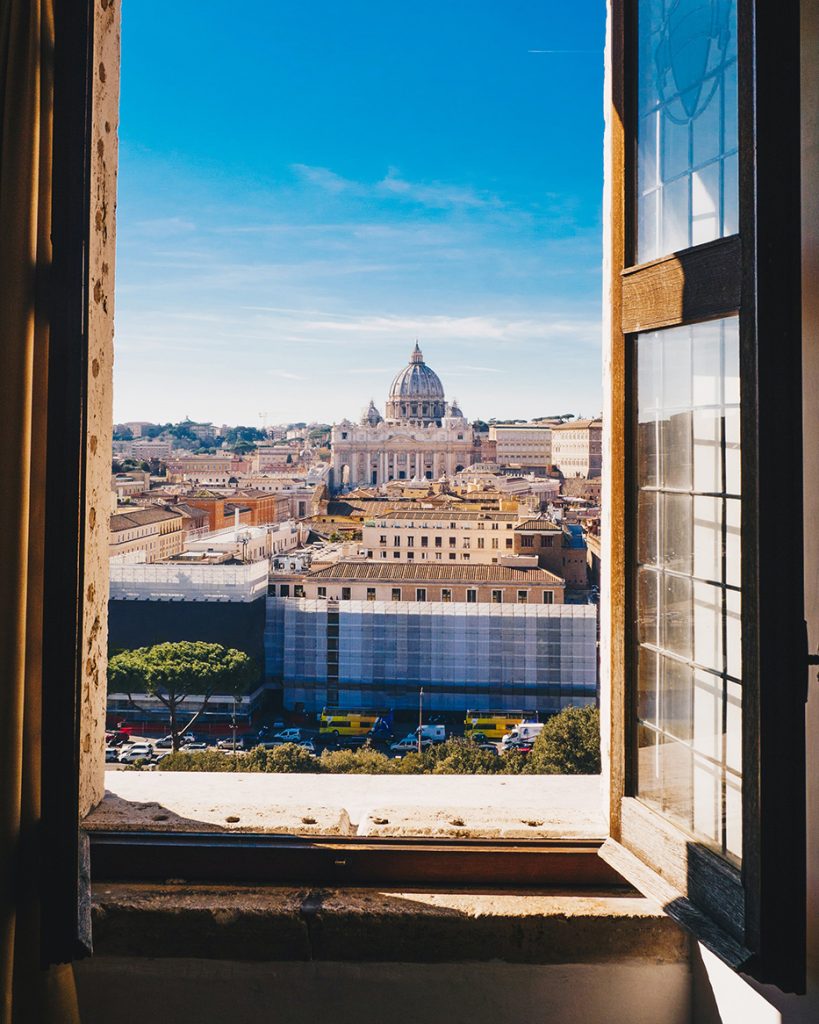
Overall, Rome is filled with photo opportunities at every turn, from the historic landmarks to the beautiful streets and piazzas. With a little bit of exploration, you’re sure to find the perfect holiday photo to remember for a lifetime.
Best Places to Stay in Rome
Rome offers a wide range of accommodation options to suit different preferences and budgets. Here are some popular areas to consider for your stay in Rome:
- Historic Center (Centro Storico): This area is ideal if you want to be close to Rome’s iconic attractions like the Colosseum, Roman Forum, Pantheon, and Trevi Fountain. It’s a lively area with a mix of luxury hotels, boutique accommodations, and budget-friendly options.
- Trastevere: As mentioned earlier, Trastevere is a charming neighborhood with a bohemian atmosphere. It’s a great choice if you want to experience the local Roman lifestyle and enjoy the neighborhood’s nightlife and dining scene. Accommodations range from small guesthouses to boutique hotels. We stayed at this beautiful AirBnb in Trastevere during our visit and we cannot recommend it enough.
- Vatican City: If you plan to spend a significant amount of time exploring the Vatican Museums, St. Peter’s Basilica, and the Sistine Chapel, staying near Vatican City is a convenient option. You’ll find a variety of hotels and guesthouses in this area.
- Monti: Monti is a trendy and hip neighborhood located between the Colosseum and Termini train station. It offers a mix of boutique hotels, guesthouses, and vacation rentals. Monti is known for its cool vibe, artistic shops, and trendy bars and restaurants.
- Via Veneto and Villa Borghese: These areas are known for their elegance and upscale accommodations. Via Veneto, made famous by the film “La Dolce Vita,” offers luxury hotels and is close to Villa Borghese, a large park where you can enjoy a peaceful retreat from the bustling city.
- Testaccio: Testaccio is a lively neighborhood known for its food scene and nightlife. It offers a mix of budget-friendly accommodations, apartment rentals, and boutique hotels. It’s a great choice if you want to experience Rome like a local and explore off-the-beaten-path attractions.
When choosing where to stay in Rome, consider factors such as proximity to attractions, transportation options, the ambiance you prefer, and your budget. It’s also advisable to book accommodation in advance, especially during peak travel seasons, to secure the best options.
Some tips on what not to do in Rome
When visiting Rome, one of the world’s most iconic cities, there are certain things you should avoid doing to ensure you a positive experience. Here are some things not to do in Rome:
- Don’t sit or climb on historic monuments: Rome is home to numerous historical landmarks, including the Colosseum, Roman Forum, and Pantheon. It goes without saying, it’s important to respect these ancient structures by not sitting or climbing on them. They are delicate and deserve preservation for future generations.
- Don’t disregard appropriate attire for religious sites: Rome is known for its magnificent churches and religious sites, such as St. Peter’s Basilica and the Sistine Chapel. When visiting these places, dress modestly and avoid wearing revealing clothing, shorts, or sleeveless tops. Cover your shoulders and knees as a sign of respect.
- Be war of using illegal tour guides: In Rome, it’s important to hire licensed tour guides who have the proper credentials. Avoid engaging with unauthorized or illegal tour guides who may offer their services on the street. Official tour guides wear a badge, so look for that when seeking a guided tour.
- Don’t fall for scams: Like any major tourist destination, Rome has its share of scams and pickpocketing incidents. Be cautious of people offering unsolicited services, such as helping with your bags or posing as official personnel. Keep your belongings secure, be aware of your surroundings, and use reputable services. Also, when walking in Rome, especially near the Trevi fountain area, I have seen a couple of street artists push their art on the path of unknowing tourists who then have to shell out a lot of money for it. Be wary of this, not all street artists are like this, most of them are downright great at what they do.
- Don’t ignore public transportation rules: Rome has an extensive public transportation system, including buses, trams, and the metro. Make sure to validate your ticket when using public transport and respect priority seating for elderly or disabled passengers. Avoid eating, drinking, or playing loud music on public transportation.
- Don’t overlook the siesta: In Italy, including Rome, it is common to have a mid-afternoon break called “siesta” or “riposo.” During this time, some shops, businesses, and smaller restaurants may temporarily close. Be aware of the siesta hours (usually from around 1 pm to 4 pm) and plan your activities and meals accordingly. We were also surprised when a lot of clubs were shut on a Sunday.
- Don’t drink from public fountains: Rome has numerous beautiful public fountains, such as the Trevi Fountain and the Fountain of the Four Rivers. While they may look tempting, it’s important not to drink from them or use them as bathing facilities. These fountains are artistic and historic treasures, so respect their intended purpose.
- Don’t skip local cuisine: Rome is renowned for its delicious food, so don’t miss the opportunity to indulge in authentic Italian cuisine. Avoid eating at tourist traps or settling for fast food chains. Instead, explore local trattorias and osterias to savor traditional Roman dishes like pasta carbonara, cacio e pepe, and supplì (rice balls).
- Don’t forget to validate your Roma Pass: If you plan to use the Roma Pass, a popular tourist card that offers free entry to certain attractions and public transportation, make sure to validate it before your first use. Failure to do so may result in fines or penalties.
By keeping these tips in mind, you can have a respectful and enjoyable visit to Rome, soaking in its rich history, culture, and culinary delights.
Using the Roma Pass: Is it worth it?
Whether the Roma Pass is worth it or not depends on your specific needs and itinerary in Rome. Here are some factors to consider when deciding if the Roma Pass is a good option for you:
- Duration of your stay: The Roma Pass is available in 48-hour or 72-hour options. If you plan to visit multiple attractions within this timeframe, the pass can provide convenience and potential cost savings.
- Included attractions: The Roma Pass offers free entry to two or more popular attractions, such as the Colosseum, Roman Forum, and Capitoline Museums. If these sites are on your must-visit list, the pass can help you save on entrance fees.
- Skip-the-line entry: The Roma Pass allows you to bypass the ticket queues at some attractions, potentially saving you time, especially during peak tourist seasons. This can be particularly advantageous for going inside popular sites like the Colosseum.
- Public transportation: The Roma Pass includes unlimited access to Rome’s public transportation system, including buses, trams, and the metro, during its validity period. If you plan to use public transport frequently, the pass can be convenient and cost-effective. We mostly walked around Rome and took taxis so we avoided the pass for this very reason.
- Additional discounts: The Roma Pass offers discounted entry to other attractions, exhibitions, and events beyond the two free entries. If you’re interested in visiting additional sites, these discounts can be advantageous.
- Itinerary and personal preferences: Consider your specific itinerary and interests. If you have a well-planned schedule with many attractions covered by the pass and intend to use public transportation extensively, the Roma Pass can provide value. However, if your itinerary focuses on a few specific sites or if you prefer to explore on foot, it may not be as beneficial.
- Cost calculations: Calculate the total cost of the attractions you plan to visit and compare it with the price of the Roma Pass. Additionally, consider the convenience and potential time savings provided by skip-the-line access and unlimited public transportation.
Before purchasing the Roma Pass, carefully evaluate the attractions you want to visit, your transportation needs, and the pass’s cost. It can be a worthwhile investment if it aligns with your itinerary and preferences, providing convenience, cost savings, and priority access.
Remember to wear comfortable shoes, carry water, and wear sunscreen. Rome can get crowded, so it’s best to visit the popular attractions early in the morning or late in the afternoon to avoid the crowds. Have a lovely stay in Rome!




Leave a Reply